Silica gel desiccant is one of the most versatile and widely used moisture control materials in modern industries. Renowned for its high adsorption capacity, chemical stability, and non-toxic properties, silica gel has found applications in numerous sectors ranging from pharmaceuticals to electronics. This article provides a comprehensive analysis of silica gel desiccant applications, highlighting its advantages, typical usage scenarios, and industry-specific benefits.
1. Introduction to Silica Gel
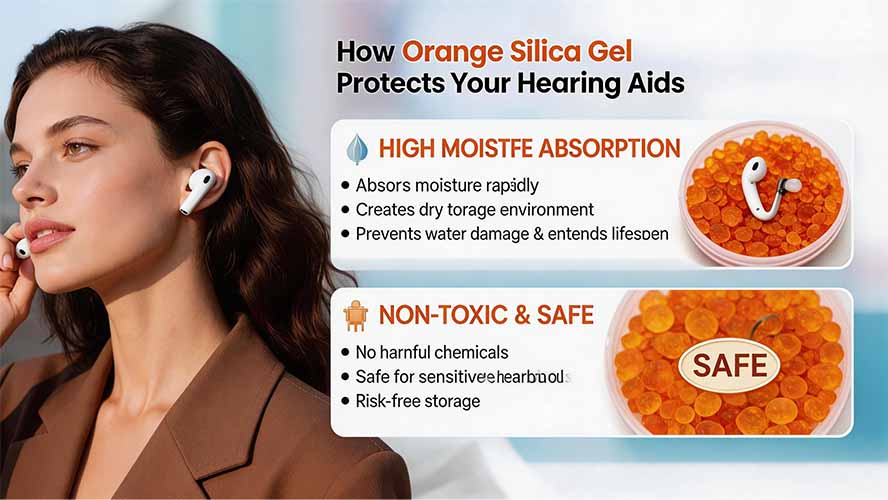
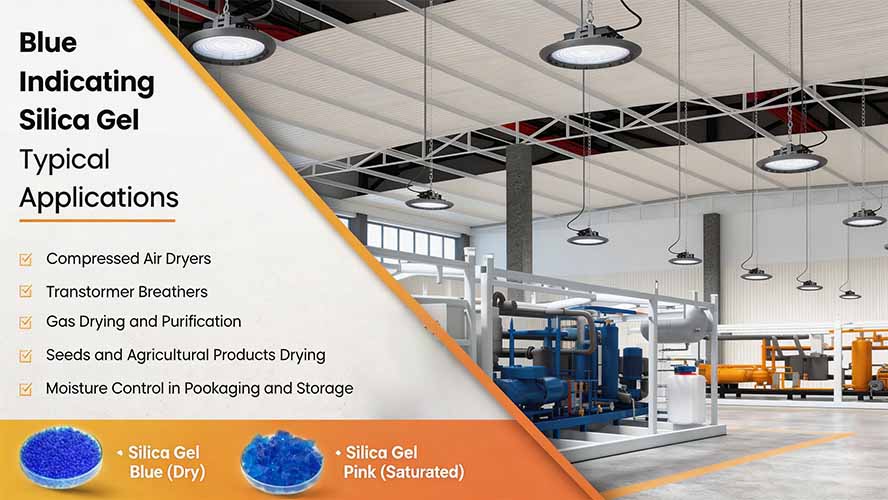
Silica gel is a granular, porous form of silicon dioxide (SiO₂) synthesized from sodium silicate. Its distinctive feature is a highly porous structure with a large surface area, which allows it to adsorb significant quantities of moisture from the surrounding environment. Unlike chemical absorbents that react with water, silica gel adsorbs water physically, making it reusable and stable under various conditions. Additionally, colored indicating silica gels, such as blue or orange, provide visual cues for moisture content, enhancing monitoring efficiency.
2. Key Properties and Advantages
Silica gel's utility stems from a combination of unique physical and chemical characteristics:
- High Adsorption Capacity: Silica gel can adsorb up to 40% of its weight in water under optimal conditions, providing effective moisture control in diverse environments.
- Thermal Stability: It maintains structural integrity at temperatures up to 120°C (248°F), making it suitable for shipping and storage of sensitive goods.
- Chemical Inertness: Being non-reactive, it does not alter or contaminate the products it protects.
- Reusability: Silica gel can be regenerated through heating, restoring its moisture-adsorbing properties.
- Indicating Variants: Blue or orange indicating silica gels offer visual moisture detection, helping users identify when the desiccant needs replacement.
These features make silica gel a reliable choice for moisture-sensitive industries.
3. Applications in the Electronics Industry
The electronics sector is highly sensitive to humidity. Excess moisture can cause short circuits, corrosion, and degradation of components. Silica gel desiccants are commonly used to protect:
- Consumer Electronics: Smartphones, laptops, cameras, and wearable devices are often packaged with small silica gel sachets to maintain dryness during storage and transport.
- Industrial Electronics: Circuit boards, sensors, and precision instruments are packed with desiccant layers to prevent moisture-related failures.
- Batteries: Lithium-ion and other rechargeable batteries require dry conditions to maintain capacity and safety. Silica gel helps reduce the risk of electrolyte degradation and leakage.
By controlling the internal humidity of packaging, silica gel helps prolong the operational life of electronic devices and minimizes warranty claims.
4. Applications in the Pharmaceutical Industry
Pharmaceutical products, including tablets, capsules, powders, and biologics, are highly susceptible to moisture, which can compromise efficacy, safety, and shelf life. Silica gel plays a critical role in:
- Drug Packaging: Desiccant sachets are placed inside blister packs and bottles to absorb moisture, ensuring stability and preventing clumping.
- Vaccines and Biologics: Moisture-sensitive vaccines require strict humidity control. Silica gel desiccants help maintain dry conditions during transportation and storage.
- Medical Devices: Devices such as inhalers, diagnostic kits, and surgical instruments benefit from reduced moisture exposure to maintain functionality.
The use of silica gel in pharmaceuticals ensures compliance with stringent regulatory standards and preserves product quality throughout the supply chain.
5. Food and Beverage Industry Applications
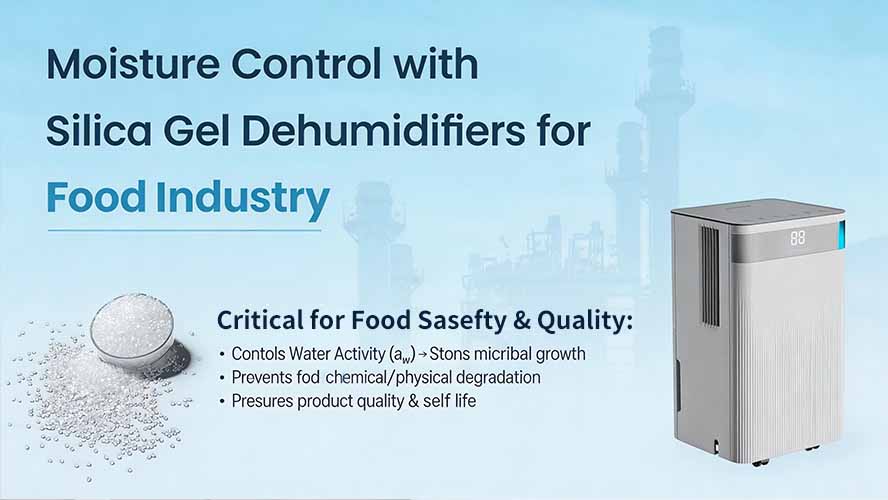
Maintaining low humidity is crucial for preserving the freshness and shelf life of packaged foods. Silica gel is widely used in:
- Snack Foods: Chips, nuts, and dried fruits are prone to sogginess when exposed to moisture. Silica gel sachets help maintain crispness.
- Confectionery: Chocolates and candies require moisture-free environments to prevent stickiness and spoilage.
- Tea and Coffee: Packaging silica gel with powdered or ground coffee prevents clumping and retains flavor.
- Pet Foods: Dry pet foods benefit from silica gel desiccants to maintain texture and prevent microbial growth.
By minimizing moisture, silica gel reduces the risk of mold growth and extends the product's shelf life, enhancing consumer satisfaction and brand reputation.
6. Industrial and Chemical Applications
Silica gel is also applied in industrial settings where moisture control is critical:
- Solvents and Chemicals: Water-sensitive chemicals and solvents can degrade or react when exposed to humidity. Silica gel helps preserve purity and stability.
- Compressed Air Systems: Silica gel is used in air dryers to remove moisture, preventing corrosion and maintaining efficiency in pneumatic systems.
- Petrochemical Industry: Silica gel prevents water contamination in fuel and chemical storage tanks, ensuring product quality and safety.
- Packaging of Hygroscopic Materials: Materials like powders, resins, and adhesives require desiccants to prevent caking and maintain flowability.
Its high thermal stability and chemical inertness make silica gel ideal for these demanding applications.
7. Applications in Shipping and Logistics
Global transportation exposes goods to varying humidity levels, temperature fluctuations, and condensation. Silica gel desiccants are widely used to protect cargo:
- Containerized Shipping: Silica gel blocks or sachets are used in shipping containers to reduce moisture accumulation, preventing mold, corrosion, and water damage.
- Air Freight: High-altitude shipping may lead to condensation due to pressure changes. Silica gel mitigates the risk of moisture-related damage.
- Electronic and Pharmaceutical Shipments: Sensitive shipments benefit from strategic placement of silica gel to ensure product integrity during transit.
By providing reliable moisture control, silica gel reduces losses, protects brand reputation, and ensures compliance with storage guidelines.
8. Regeneration and Sustainability
One of the advantages of silica gel is its reusability. Spent silica gel can be regenerated through simple heating:
- Low-Temperature Regeneration: Heat the silica gel at 120°C–150°C (248°F–302°F) for several hours to remove adsorbed moisture.
- High-Temperature Regeneration: In industrial applications, higher temperatures (200°C–250°C) are used to restore maximum adsorption capacity.
This regenerative capability enhances sustainability and reduces operational costs, making silica gel a cost-effective long-term solution for moisture management.
9. Safety and Environmental Considerations
Silica gel is generally recognized as safe (GRAS) for handling, provided standard precautions are followed:
- Non-Toxic: Silica gel is chemically inert and poses minimal health risks if ingested accidentally, although it is not edible.
- Disposal: Spent silica gel can be disposed of in regular waste streams or recycled after regeneration.
- Handling: Gloves and masks may be used in bulk applications to prevent dust inhalation.
Its environmentally friendly profile makes silica gel suitable for consumer-facing and industrial applications alike.
10. Conclusion
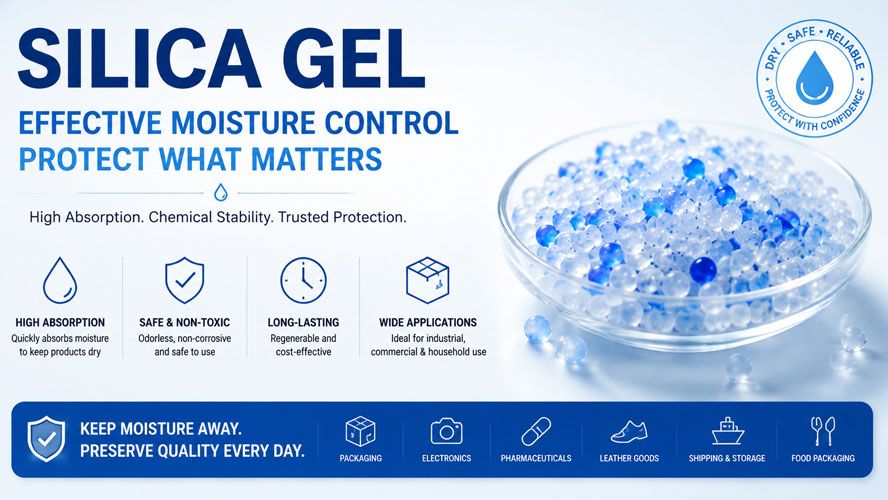
Silica gel desiccant remains a cornerstone in moisture control across multiple industries. Its high adsorption capacity, stability, and safety make it indispensable in electronics, pharmaceuticals, food, chemicals, and shipping applications. The ability to regenerate and visually monitor moisture levels with indicating gels further enhances its practicality and sustainability.
As industries continue to prioritize product quality, longevity, and regulatory compliance, the role of silica gel desiccant is expected to expand. Businesses that incorporate silica gel into their moisture management strategies can safeguard their products, optimize storage conditions, and reduce losses due to environmental exposure.