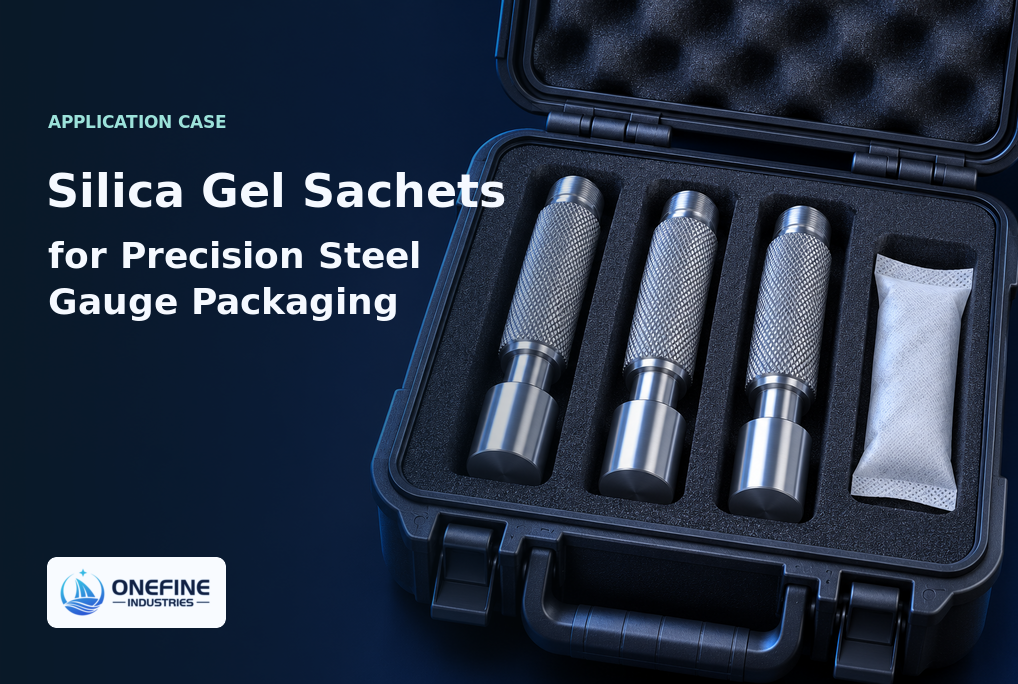
Application Case: Silica Gel Sachets for Precision Steel Gauge Packaging
Detailed Description
Key Takeaways
- Use the sealed inner pouch as the humidity-controlled space for an individually packed steel gauge.
- Keep the sachet away from precision surfaces and sharp features while allowing air to reach it.
- Verify both the humidity trend and the condition of the gauge after representative storage and handling.
Background
Consider a supplier packing steel plug gauges individually for storage before shipment. A rigid case keeps each gauge in position and reduces impact damage. The quality team also needs to protect the steel surfaces from moisture during storage and transport. This is an illustrative application based on public guidance for storing metal objects in controlled enclosures. It does not report results from a customer project.
Challenge
The outside case provides mechanical protection, but its closure may allow room air to exchange with the interior. Moisture or residues can also be present on the gauge or in the packing materials at sealing. A successful pack needs a repeatable cleaning and packing condition, a barrier that survives normal handling, and a sachet qualified for the resulting moisture load. Tight clearances around the gauge make sachet placement important because a loose packet could rub the gauge or get pressed against a sharp edge.
Packaging Solution
Start with a clean, dry gauge prepared according to its own preservation requirements. Keep any specified protective finish or coating in the process. Use a sealed moisture-barrier inner pouch to enclose the gauge and the silica gel sachet. If the tray or gauge could puncture the pouch, qualify a suitable carrier or protective insert. Select an insertion position that allows air exchange with the gauge while keeping the packet physically separated from critical surfaces. The packet placement guide explains why the sachet belongs inside the same barrier as the protected item.
Keep the sachet clear of the closure. Record the film construction, seal process, sachet form and storage assumptions. Use the desiccant sizing guide when preparing a trial request. If the required humidity range is especially low, evaluate a molecular sieve pouch in a separate trial with the same barrier and gauge preparation.
How to Verify the Pack
Prepare a baseline and a candidate configuration with equivalent gauge preparation and storage exposure. Use dedicated trial units. Inspect the seal and check that the gauge and sachet remain in position after representative handling. Measure the RH inside representative test pouches with a suitable method. For a recording trial, use a sensor that fits without changing how the pouch closes. Inspect the gauge surfaces for visible corrosion or staining at the agreed checkpoints.
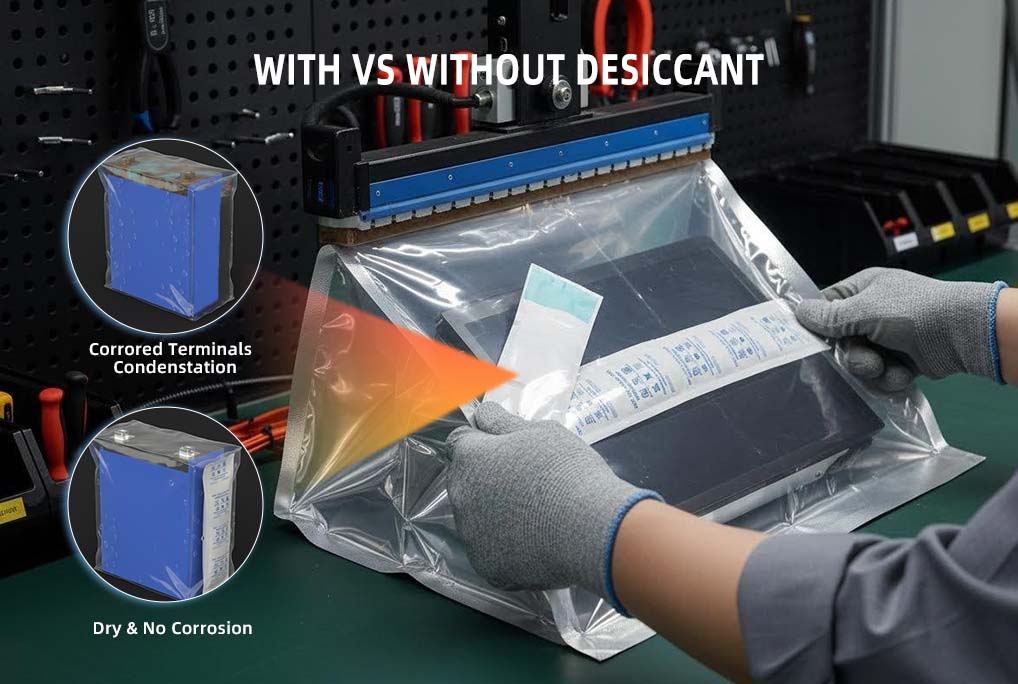
Define acceptance with the product owner before testing, including the storage duration, inspection criteria and any humidity requirement. If only packs with damaged seals show higher humidity, investigate the closure and handling first. If intact packs consistently rise above the target, review initial moisture, barrier performance and desiccant capacity. Sealed electronics packaging provides a related example of combining an inner barrier, a sachet and humidity monitoring.
Need Sachets for Precision-Part Packaging?
Share the gauge or part dimensions, pouch size, storage period, product restrictions and humidity requirement. We can discuss silica gel or molecular sieve sachet formats for a finished-pack trial.
Related Products
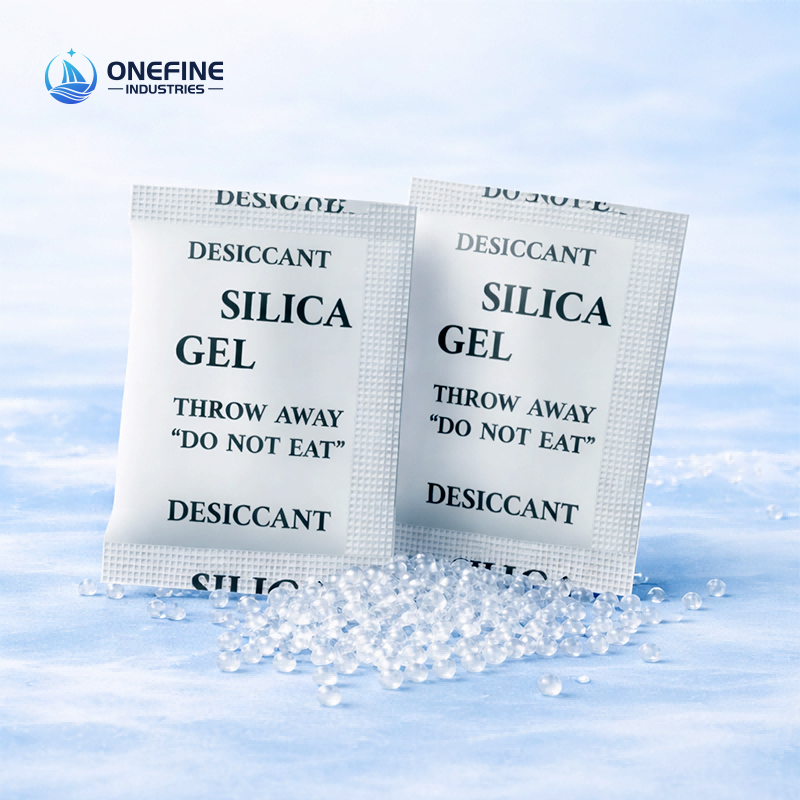
Silica Gel Desiccant Sachet
Silica gel desiccant is a high-performance, non-toxic adsorption material widely used to protect moisture-sensitive products from damage.
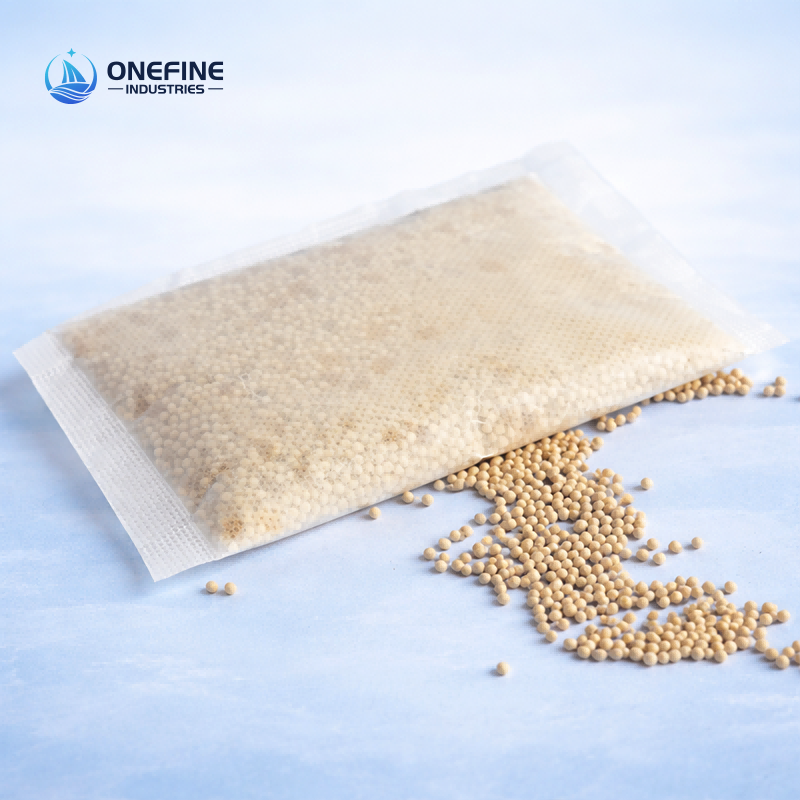
Molecular Sieve Desiccant Bags
Molecular sieve desiccant bags feature a microporous structure that selectively adsorbs molecules based on pore size, delivering deep drying performance for gases and liquids.
Related Applications
Related Reading

Where Should a Desiccant Packet Go: Inside the Bag or in the Outer Carton?
Place desiccant inside the enclosure that needs to stay dry. Learn where sachets belong in sealed unit bags, shared carton liners, and nested packaging.

How Much Desiccant Do You Actually Need?
Desiccant packaging follows a real industry standard (MIL-D-3464), not guesswork. Here's how the unit-based formula actually works, a worked example, and what the simplified version leaves out.