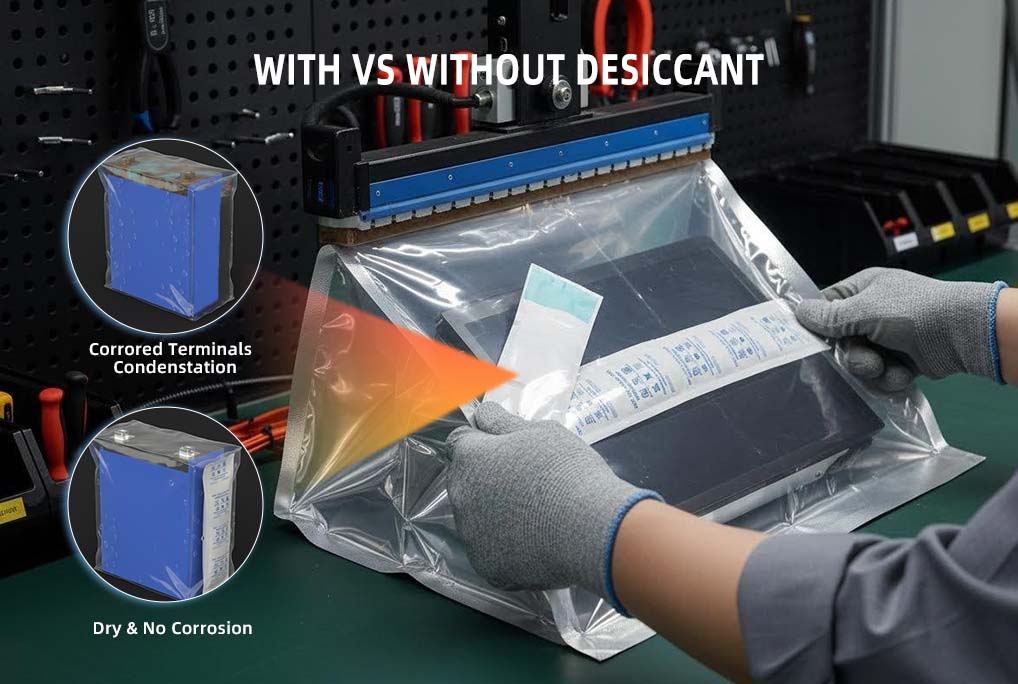
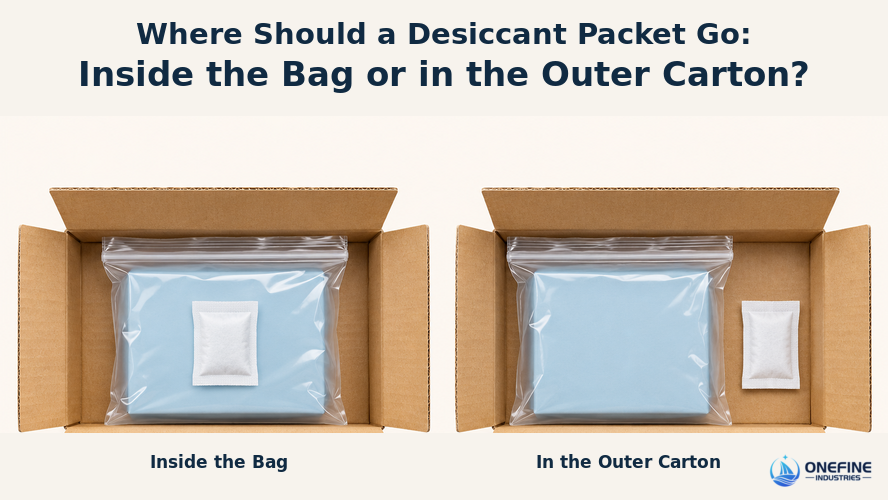
Where Should a Desiccant Packet Go: Inside the Bag or in the Outer Carton?
Key Takeaways
- For individually sealed unit bags, put a sachet inside each bag that requires humidity control.
- A sachet in a sealed carton liner can serve items that share the air inside that liner.
- Validate packet placement and sizing using the assembled package, including its seals, storage conditions, and materials.
Introduction
A packing team may put the correct number of desiccant packets into a shipping carton and still leave every unit inside it without effective humidity control. This happens when individually sealed inner bags separate the sachets from the air around the products. The first question is which enclosure must stay dry through storage and shipping. Once you identify that enclosure, you can decide where a packet goes, whether it needs to be secured, and how to test the finished pack. The distinction matters when several retail units share a carton and each unit must remain protected after the carton is opened.
Key Differences at a Glance
Individually sealed retail bags
- Protected space: the air in each unit bag.
- Packet location: inside each bag that requires its own humidity control.
- Typical reason: units may be separated and stored independently after receiving.
One sealed liner around several units
- Protected space: the air inside the liner, including units with open or vapor-permeable wraps.
- Packet location: inside the sealed liner, with access to the shared air.
- Typical reason: the shipment is handled and stored as one pack until use.
An ordinary corrugated carton
- Protected space: depends on the inner packaging. Corrugated board and ordinary closures allow moisture exchange.
- Packet location: where the actual sealed enclosure is, if sustained low humidity is required.
- Typical reason: the carton primarily provides mechanical protection.
Why the Moisture Barrier Determines Placement
A sachet takes up water vapor from the air that reaches it. In a nested pack, the barrier that separates the inner air from the outer air also limits how much an outer sachet can affect the inside. An outer sachet can influence conditions around the unit bag. Its effect on the interior depends on transmission through the film and seals, so it cannot be counted as the unit's desiccant without validation.
Moisture also starts inside the pack. A paper insert, protective pad, or product packed before it has dried can release moisture after sealing. A sachet outside the bag has little access to that initial load. The same logic applies to electronic instrumentation packaging where the product, barrier bag and desiccant are specified as one assembly.
How to Choose
Start with the receiving workflow. If the customer opens the master carton and stores each retail unit independently, evaluate protection at the unit level. If all units stay together until use and share the liner's air, evaluate the liner as the enclosure. A sealed inner pouch may still require its own protection inside a lined carton.
Give the sachet access to air and keep it clear of the closure. Place it alongside the product or in a retaining compartment open to the protected space. Keep it clear of the heat-seal jaws and away from sharp edges. Where the product has sensitive surfaces, use an approved restraint or divider that allows air exchange and prevents abrasion.
Size for an actual enclosure. Use the bag or liner dimensions, barrier performance, expected storage period and humidity target. Account for moisture from inserts and other materials inside the barrier. Use the desiccant sizing guide as a starting point and validate the complete package under representative conditions.
Test the packed unit as shipped. Compare otherwise identical units with the sachet in the two proposed locations. Measure humidity inside the enclosure that needs protection, using a suitable indicator or logger, and document the seal condition and exposure period. If the only measurement is in the master carton, it describes the carton environment.
Recommended Products from Onefine
- Silica gel sachets for general moisture control in sealed retail packs, subject to package testing.
- Molecular sieve desiccant bags for evaluation when the pack has a particularly low humidity target.
Need a Desiccant Sachet for Your Packaging?
Send us a cross-section or photo of the pack and tell us which compartment must stay dry. Include the bag dimensions, barrier material, storage period, and any humidity limit you already use.
- Small sachet formats to evaluate against the space available inside the unit pack
- Silica gel and molecular sieve options to compare against your humidity target
- Guidance on selecting a trial sachet size for your actual bag or carton liner
Related Products
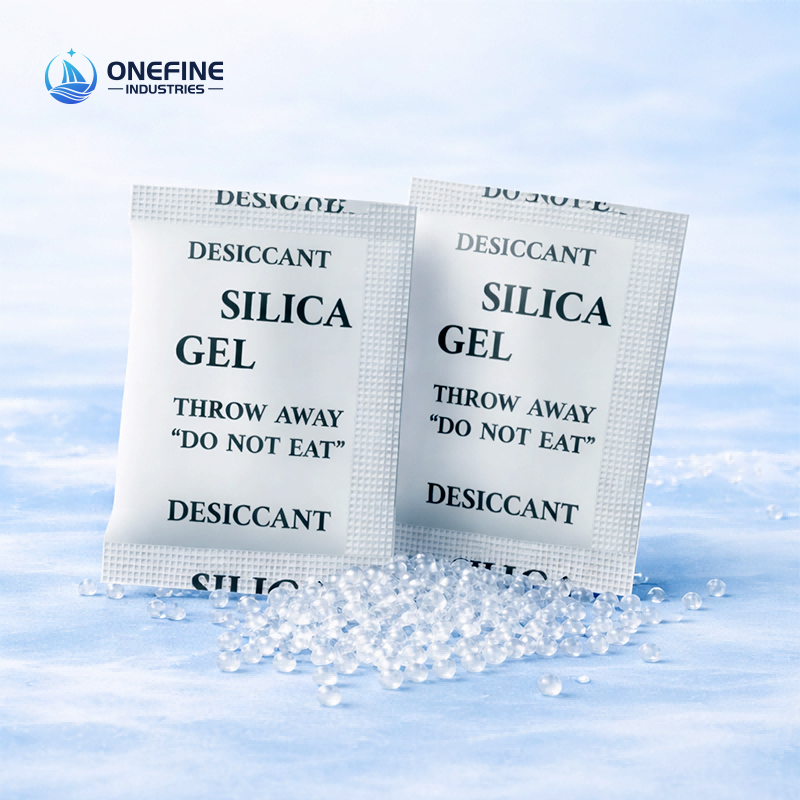
Silica Gel Desiccant Sachet
Silica gel desiccant is a high-performance, non-toxic adsorption material widely used to protect moisture-sensitive products from damage.
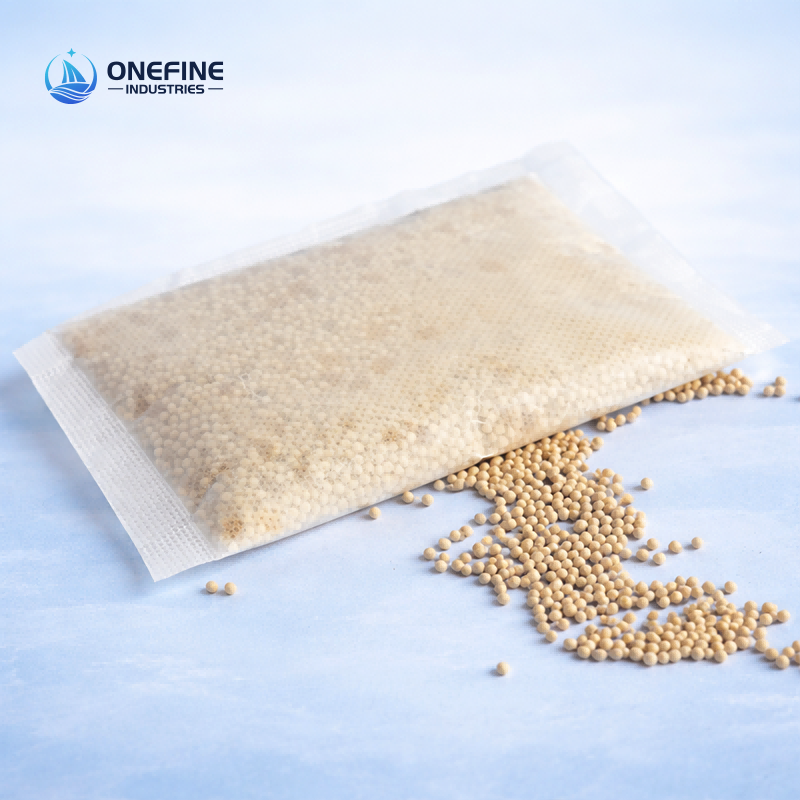
Molecular Sieve Desiccant Bags
Molecular sieve desiccant bags feature a microporous structure that selectively adsorbs molecules based on pore size, delivering deep drying performance for gases and liquids.