
Desiccant Science
2026-10-15
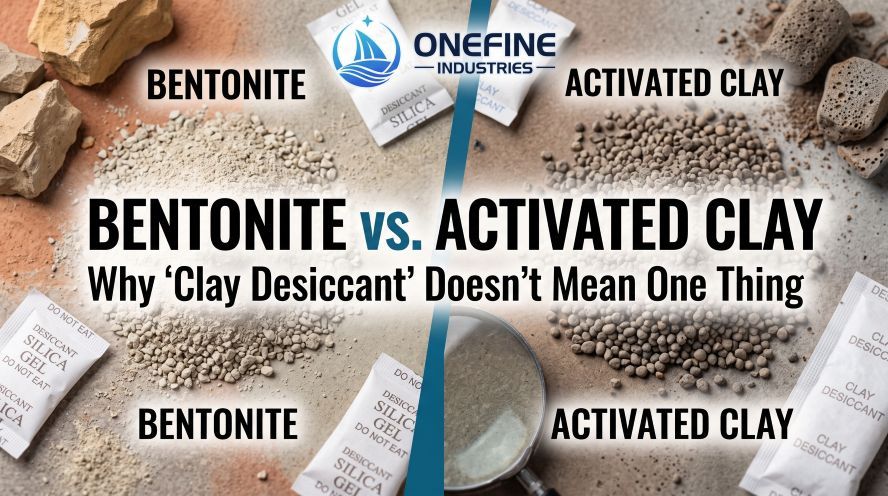
Bentonite vs. Activated Clay: Why "Clay Desiccant" Doesn't Mean One Thing
Bentonite and activated clay are both marketed as clay-based desiccants, but they're different minerals with fundamentally different water-holding mechanisms. Here's what actually happens at the mineral structure level, and why it matters for packaging.
Read More
Comparisons & Selection
2026-10-13
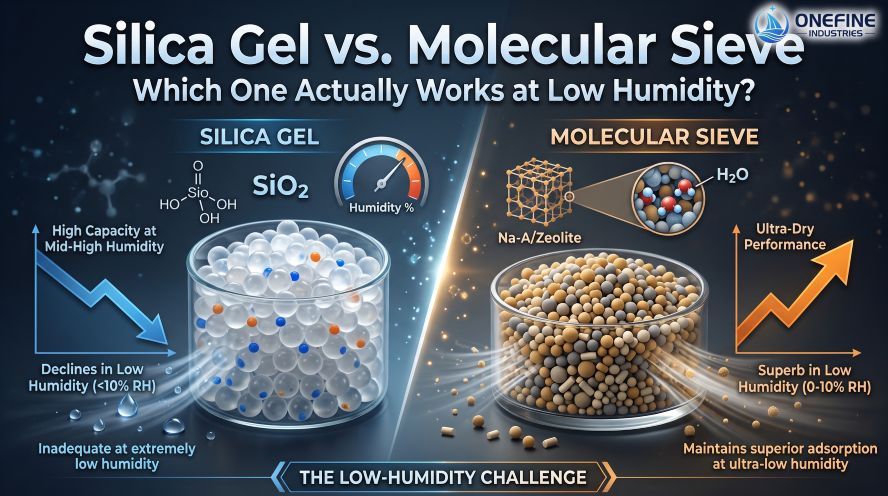
Silica Gel vs. Molecular Sieve: Which One Actually Works at Low Humidity?
Silica gel and molecular sieve are both common desiccants, but they work through different mechanisms, and that difference matters most at low relative humidity. Here's what actually happens at the molecular level, and when each one is the right choice.
Read More

Industry Applications
2026-10-12
Moisture Risk in Battery Storage Enclosures: It's Not the Cells, It's the Box Around Them
Lithium battery cells are hermetically sealed, so it's easy to assume moisture isn't a storage concern. But the enclosure around those cells isn't sealed the same way — and that's where real moisture damage happens. Here's the actual mechanism, and what a desiccant inside the enclosure does and doesn't protect against.
Read More

Desiccant Science
2026-03-27
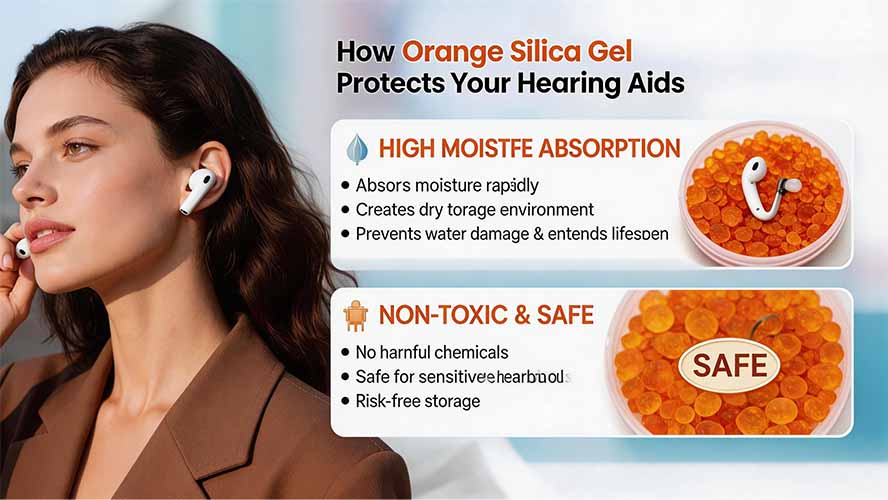
Orange Indicating Silica Gel to Green When Watering - Cobalt-Free
Orange Indicating Silica Gel orange silica gel indicating silica gel silica gel desiccant transformer breather silica gel moisture control desiccant industrial silica gel desiccant for packaging cobalt-free silica gel
Read More
Industry Applications
2026-03-26
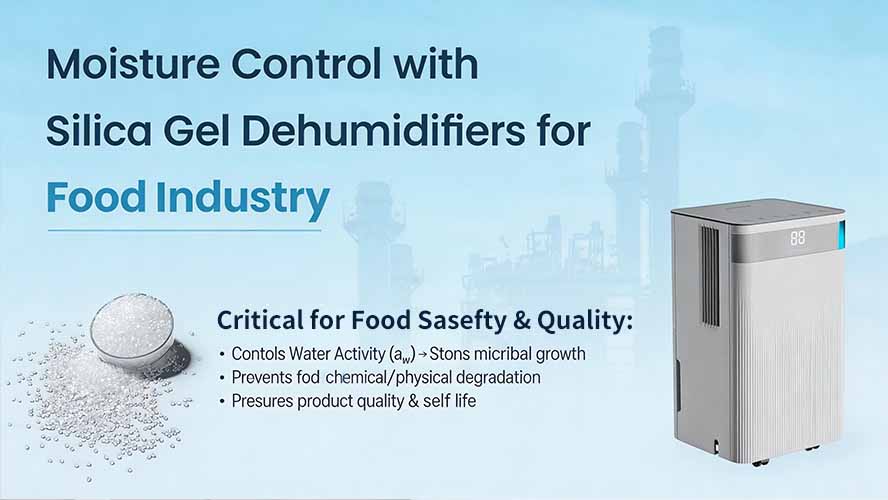
Silica Gel Dehumidifier Moisture in Food Industry for Moisture Control
This article explores the critical function of drying agents in moisture control, detailing their mechanisms, types like silica gel and calcium chloride, and strategic applications for preserving industrial and consumer products.
Read More