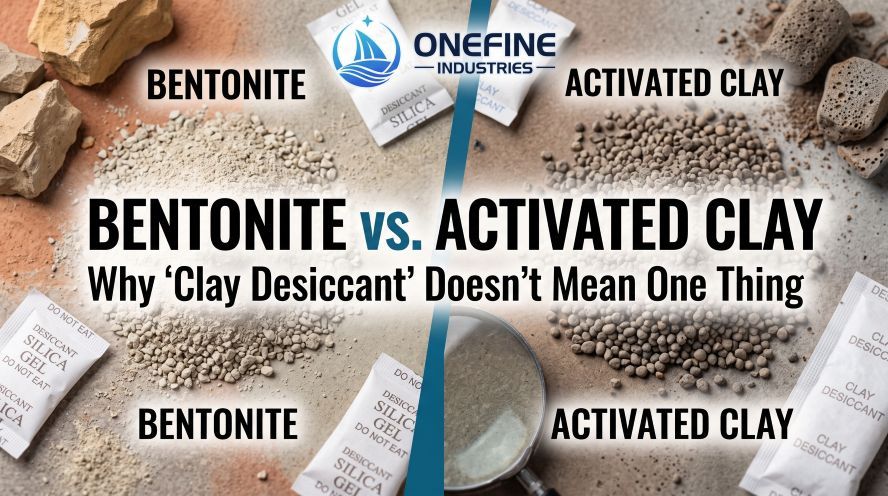
Bentonite vs. Activated Clay: Why "Clay Desiccant" Doesn't Mean One Thing
Key Takeaways
- Bentonite (montmorillonite) is an expanding-lattice clay — water molecules insert directly between its crystal layers in discrete steps, which is why bentonite swells and gels when wet.
- Activated clay (attapulgite) has a rigid, non-swelling channel structure — water is held in open channels running through the crystal rather than by prying layers apart, so it doesn't swell or gel the same way.
- Both are genuinely "clay," but the swelling-vs-non-swelling difference comes from their crystal structure, not from processing — it's a real mineralogical distinction worth knowing before assuming the two are interchangeable.
"Clay desiccant" sounds like one category, but it covers at least two minerals with genuinely different internal structures — and that structural difference is the reason they behave differently once they start absorbing moisture. Onefine's Bentonite Desiccant Packs and Activated Clay Desiccant Pouches are a good example: both are real, functioning clay desiccants, but they get there through different mechanisms.
Bentonite (Montmorillonite): Water Gets Between the Layers
Bentonite's active mineral, montmorillonite, is a 2:1 layer silicate — meaning its crystal structure is built from stacked sheets, each sandwiched between two silica layers. Critically, montmorillonite is an expanding-lattice clay: when water vapor is available, water molecules work their way in between those stacked sheets, prying the layers apart.
This isn't a vague or gradual process. Research on sodium montmorillonite's interaction with water vapor shows the layer spacing expands in discrete steps as water is adsorbed — the collapsed (dry) spacing is about 9.6 Å, and each additional molecular layer of water adds roughly 2.76 Å (the thickness of one water molecule) to that spacing. The clay's total surface area, counting both the external particle surface and the internal space between layers, has been measured crystallographically at around 748 m²/g — most of that is only accessible once the layers start separating.
This interlayer mechanism is exactly why bentonite is known for swelling and gel formation when it gets wet — the same property that makes bentonite useful in drilling muds and waterproofing applications outside of desiccant use. For a desiccant, it means bentonite's moisture-holding capacity is tied directly to its ability to expand.
Activated Clay (Attapulgite): Water Goes Into Channels, Not Between Layers
Activated clay's active mineral, attapulgite, is structurally a very different kind of clay. It's also a layer silicate at the chemical bonding level, but its crystal structure is built around parallel channels running through the entire mineral — created by a regular pattern of inverted silica tetrahedra — rather than flat stacked sheets. Because of this three-dimensional channel framework, attapulgite does not swell the way montmorillonite does.
Attapulgite holds water in two distinct ways: some water molecules coordinate directly to metal cations (aluminum and magnesium) within the structure, while additional "zeolitic" water sits more loosely within the open channels themselves — similar in concept to how a zeolite holds water in its pore structure, though attapulgite is a clay mineral, not a true zeolite. This channel-and-coordination system, combined with a surface area of roughly 150 m²/g, gives attapulgite a reported water absorption capacity of up to 100% of its own weight — without the layers prying apart or the material swelling into a gel. Attapulgite's crystals are also physically distinctive: needle-shaped and fibrous, typically around 1 micrometer long, which is part of why the mineral doesn't cleave or expand the way a stacked-sheet clay does.
Why the Structural Difference Actually Matters
Neither structure is "better" in the abstract — they're just different tools. But the distinction matters for how each material behaves as it approaches saturation. A clay that works by expanding its layers (bentonite) is, by its basic chemistry, doing something structurally different from one that fills fixed channels (activated clay) — one involves the material's own crystal structure physically changing shape as it adsorbs, the other doesn't. That's a real, verifiable mineralogical difference, not a marketing distinction between two labels for the same thing.
Key Differences at a Glance
- Active mineral: Bentonite — montmorillonite. Activated Clay — attapulgite
- Crystal structure: Bentonite — stacked 2:1 layers, expanding lattice. Activated Clay — needle-shaped crystals with parallel channels, rigid 3D framework
- Water mechanism: Bentonite — water inserts between layers, prying them apart in discrete steps. Activated Clay — water held in channels and coordinated to metal cations, no layer separation
- Swelling behavior: Bentonite — swells and can form a gel when wet. Activated Clay — does not swell; structure stays rigid
- Surface area: Bentonite — up to ~748 m²/g (crystallographic, includes interlayer space). Activated Clay — approximately 150 m²/g
- Reported absorption capacity: Bentonite — swelling-dependent, varies with hydration state. Activated Clay — reported up to 100% of its own weight
How to Choose for Your Product
- If your packaging has room to accommodate some material swelling, and cost efficiency matters most → Bentonite Desiccant Packs uses montmorillonite's high total surface area once hydrated.
- If your packaging is tightly sized and you want the desiccant to hold its physical form as it absorbs moisture → Activated Clay Desiccant Pouches uses attapulgite's rigid channel structure, which doesn't expand or gel the way bentonite does.
- Both are genuine clay-based desiccants — the choice comes down to the structural behavior each mineral brings, not one being a lesser version of the other.
Recommended Products from Onefine
- Bentonite Desiccant Packs — montmorillonite-based, expanding-lattice clay desiccant (already linked above)
- Activated Clay Desiccant Pouches — attapulgite-based, channel-structure clay desiccant (already linked above)
Looking for the Right Clay Desiccant for Your Packaging?
Onefine supplies both bentonite and activated clay desiccants in retail-ready pack sizes and custom packaging. Tell us your packaging constraints and moisture target, and we'll help you choose the right clay material for your product.
We provide:
- ✅ Both bentonite and activated clay desiccant lines
- ✅ Retail-ready small-pack sizes and custom packaging options
- ✅ Worldwide shipping
- ✅ Technical support for matching clay type to your packaging design
- ✅ Fast quote response
Related Products
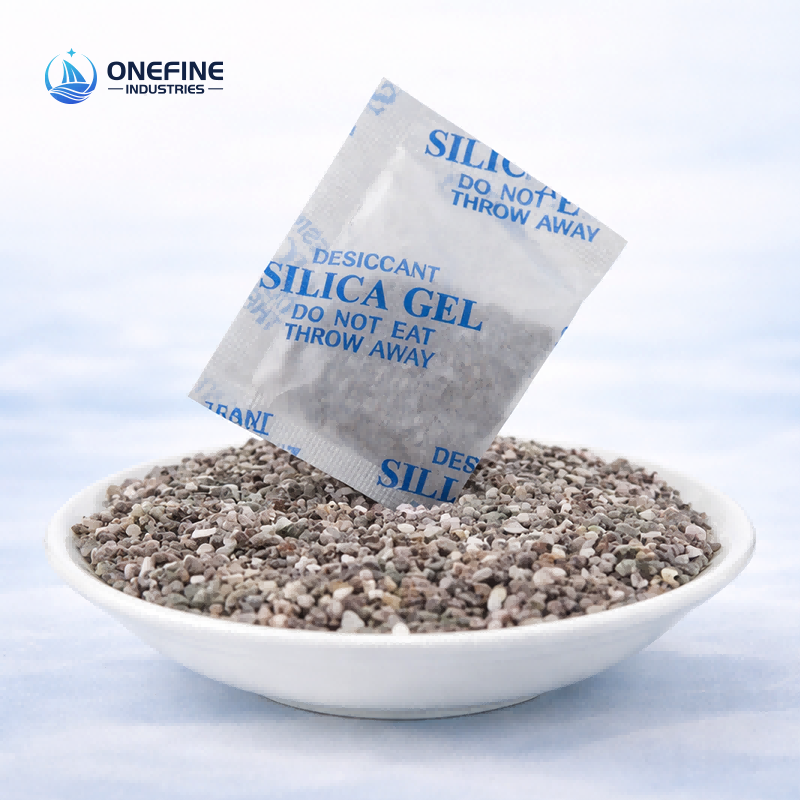
Bentonite Desiccant Packs
Bentonite desiccant packs are a natural montmorillonite clay desiccant designed for reliable moisture protection of precision instruments, electronics, and industrial equipment.
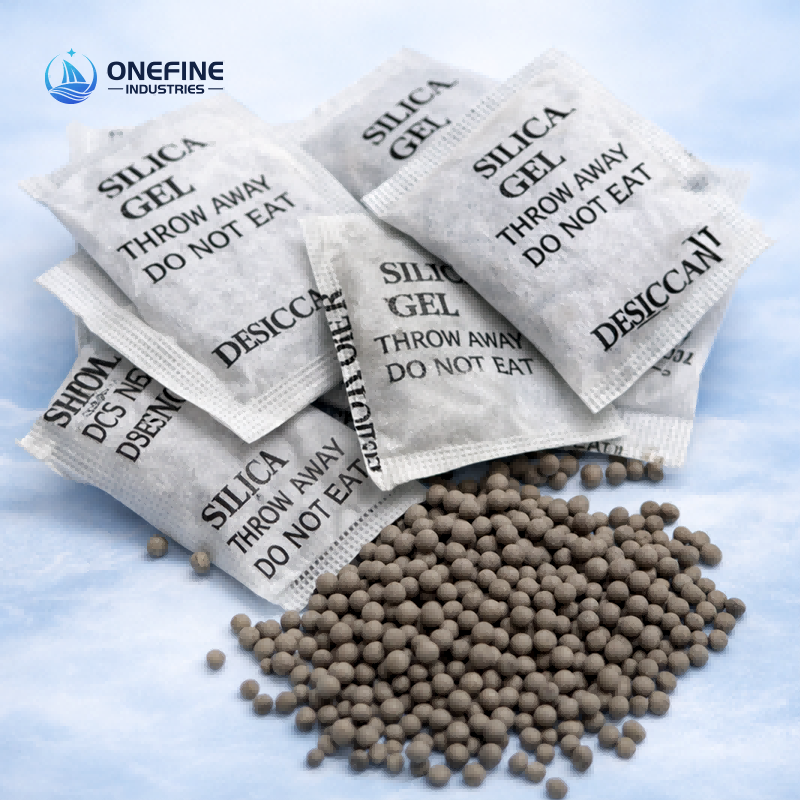
Activated Clay Desiccant Pouches
Activated clay desiccant pouches are a pure natural mineral desiccant made from natural attapulgite, ideal for apparel, footwear, and general moisture protection.
Related Reading
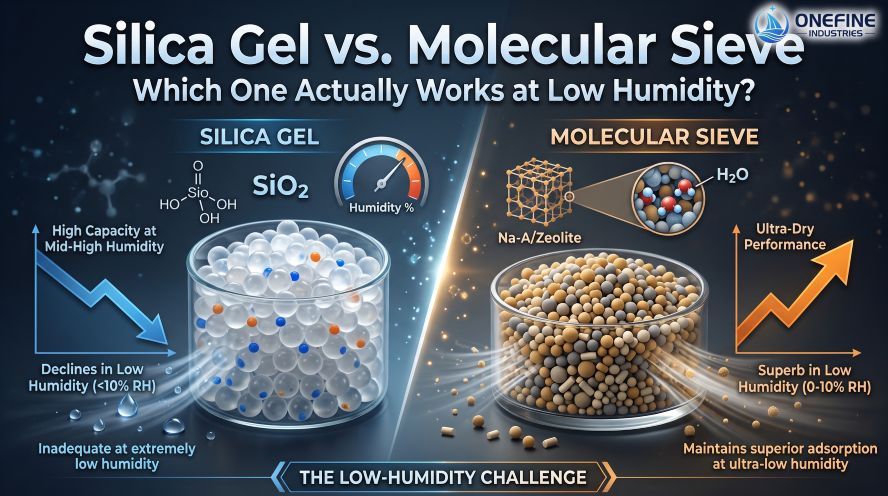
Silica Gel vs. Molecular Sieve: Which One Actually Works at Low Humidity?
Silica gel and molecular sieve are both common desiccants, but they work through different mechanisms, and that difference matters most at low relative humidity. Here's what actually happens at the molecular level, and when each one is the right choice.
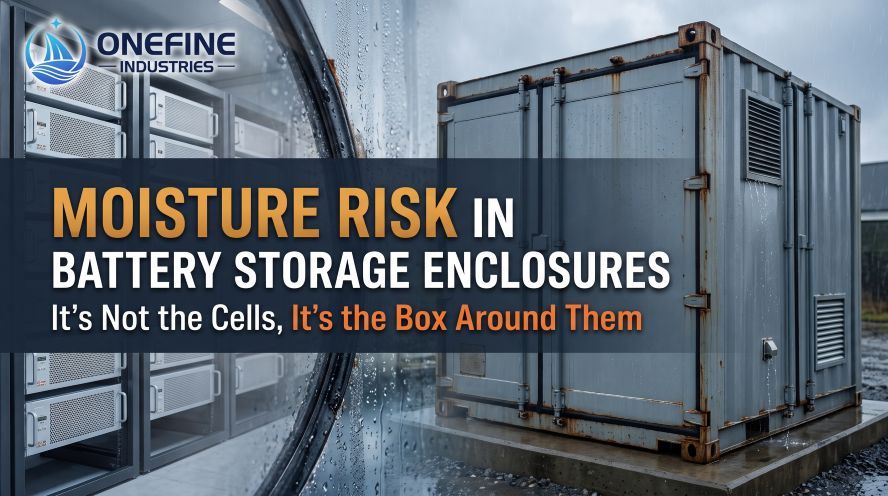
Moisture Risk in Battery Storage Enclosures: It's Not the Cells, It's the Box Around Them
Lithium battery cells are hermetically sealed, so it's easy to assume moisture isn't a storage concern. But the enclosure around those cells isn't sealed the same way — and that's where real moisture damage happens. Here's the actual mechanism, and what a desiccant inside the enclosure does and doesn't protect against.

How to Prevent "Container Rain" and Protect Your Cargo
Container rain can quietly destroy an entire shipment before it reaches port. Here's what causes it, what it costs exporters, and how the right desiccant stops it before it starts.