Why Some Desiccants Can Be Reactivated and Others Can't
Key Takeaways
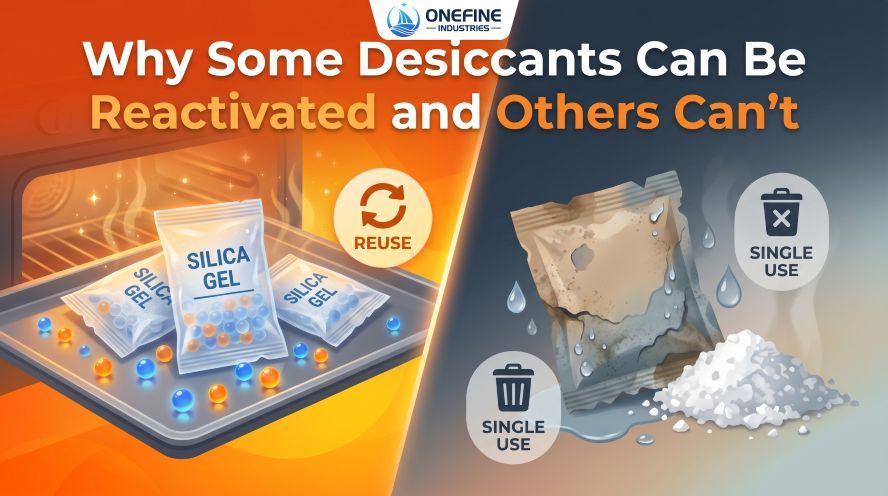
- Silica gel can be reactivated in an oven at roughly 200-250°F (93-121°C), while molecular sieve needs a much higher 200-315°C to drive off the same absorbed moisture — the gap tracks directly with how much more tightly molecular sieve's crystal structure binds water.
- How long reactivation takes depends heavily on how much material there is to dry: small gram-weight retail packets typically need only 1-3 hours at that temperature, while bulk-format industrial desiccant bags follow a much longer protocol (around 24 hours) because there's far more material for the heat to penetrate.
- Calcium chloride desiccant isn't designed to be reactivated at all: it absorbs moisture by deliquescence, physically dissolving into a liquid solution rather than just holding water in pores, so heating it doesn't return it to a reusable solid form the way it does for silica gel or molecular sieve.
Whether a desiccant can be dried out and reused, or is genuinely single-use, isn't a matter of brand or price point — it comes down to the physical mechanism each material uses to hold onto moisture in the first place.
Silica Gel and Molecular Sieve: Reactivation Is Just Reversing Physical Adsorption
Silica gel and molecular sieve both hold water through physical adsorption — moisture molecules cling to the surface of a porous structure without any chemical change to the material itself. That's exactly what makes reactivation possible: apply enough heat, and the water molecules gain enough energy to break free and evaporate out, leaving the same porous solid behind, ready to adsorb again.
How long reactivation takes scales with how much desiccant there actually is to dry. Industry regeneration guidance written for bulk-format, larger desiccant bags (the kind used in shipping and industrial packaging rather than small retail sachets) specifies a convection oven held around 220-245°F (104-118°C), ramped up slowly — no faster than about 0.25-0.5°F per minute, to avoid a pressure buildup that could rupture the seals — with a full cycle running around 24 hours. That long timeline is largely a function of how much material the heat has to penetrate, not a universal number for all silica gel.
For the gram-weight retail packets sold in food, electronics, and consumer packaging — the format Onefine's own silica gel products come in — the much smaller amount of material means a home oven at roughly the same temperature range, 200-250°F (93-121°C), typically finishes the job in just 1-3 hours. Going above about 300°F (150°C) risks permanently damaging the gel's pore structure, so higher heat isn't a shortcut. For color-indicating silica gel, the beads turning back to their original dry color is the visual signal that reactivation actually worked, rather than just guessing based on time in the oven.
Molecular sieve needs considerably more heat for the same job regardless of pack size — typically 200-315°C, several times higher than silica gel. This isn't a different drying technique; it's the same physical adsorption process working against a much stronger bond. As the heat of adsorption comparison between the two materials shows, molecular sieve's crystalline pore structure holds water far more tightly than silica gel's surface adsorption does, which is exactly why it performs better at low humidity — and exactly why reversing that bond to regenerate the material takes so much more energy.
Calcium Chloride: A Different Mechanism, Not Just a Different Material
Calcium chloride desiccant works through an entirely different process — deliquescence, where the material absorbs moisture until it physically dissolves into a liquid solution rather than remaining a solid with water trapped in its pores. That phase change from solid to liquid is the same mechanism that explains why calcium chloride needs a thickening agent to avoid leaking once saturated.
This is why calcium chloride desiccant isn't built to be reactivated the way silica gel or molecular sieve are. Heating a deliquesced calcium chloride solution will drive off the water, but what's left behind isn't a clean return to the original solid form ready for another absorption cycle — it's a different problem from simply reversing a physical bond. Calcium chloride desiccant is designed and marketed as a single-use, higher-capacity product for exactly this reason: the trade-off for its higher absorption capacity per unit weight is that it's consumed, not recharged.
Why This Doesn't Apply the Same Way to Every Pack Size
The underlying chemistry — physical adsorption reversing under heat — is identical whether the desiccant is in a 1g retail sachet or a bulk industrial bag. What changes with scale is purely how long the heat needs to act: more material means a longer soak time before the heat has fully penetrated and driven the moisture out, which is why bulk-format protocols run to 24 hours while small retail packets finish in a few. Desiccant without a color indicator has to rely on that time-and-temperature estimate alone, with no direct visual feedback that the cycle actually finished.
Key Differences at a Glance
- Silica gel (retail pack scale): physical adsorption; reactivates around 200-250°F (93-121°C) in roughly 1-3 hours; color indicator (where present) confirms reactivation visually
- Molecular sieve: physical adsorption, but a much stronger bond; reactivates around 200-315°C regardless of pack size; same reactivation logic as silica gel, just at a higher energy cost
- Calcium chloride: deliquescence, not pore-based adsorption; not designed for reactivation at any scale; treated as single-use once saturated
Recommended Products from Onefine
- Silica Gel Desiccant Sachet — porous adsorption desiccant suited to applications where reactivation and reuse matter
- Molecular Sieve Desiccant Bags — stronger-bonding adsorption desiccant for low-humidity performance, also physically reactivatable given sufficient heat
- Calcium Chloride Desiccant Packets — higher-capacity, single-use desiccant for applications where reactivation isn't the priority
Questions About Which Desiccant Fits Your Use Case?
Onefine supplies silica gel, molecular sieve, and calcium chloride desiccant for different reuse and capacity needs. Tell us about your application, and we'll help you match the material to it.
We provide:
- ✅ Multiple desiccant materials matched to reuse, capacity, and humidity requirements
- ✅ Technical support for choosing between reactivatable and single-use desiccant
- ✅ Custom packaging and private label options
- ✅ Worldwide shipping
Related Products
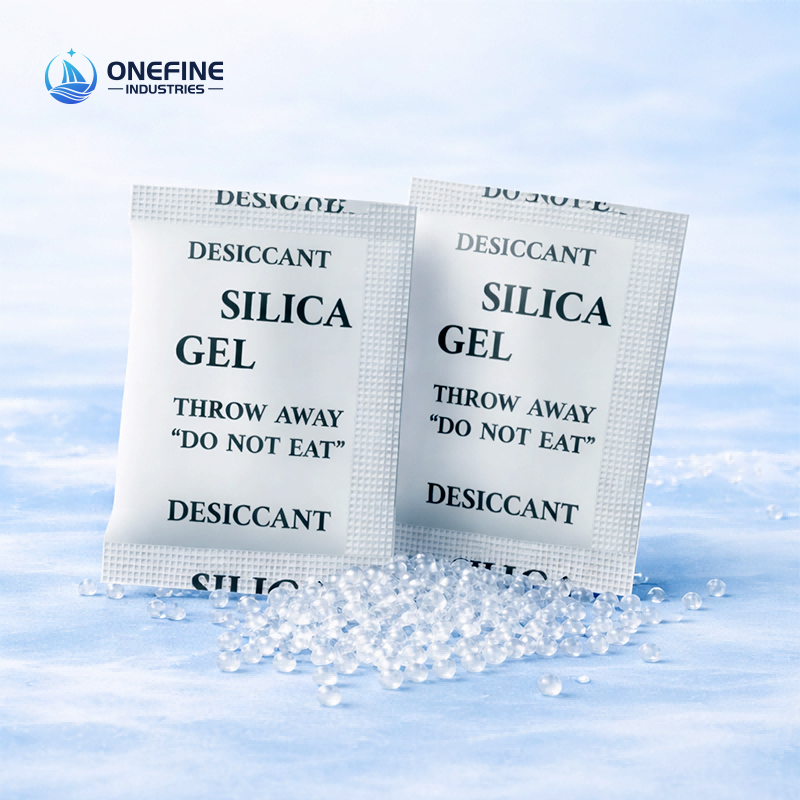
Silica Gel Desiccant Sachet
Silica gel desiccant is a high-performance, non-toxic adsorption material widely used to protect moisture-sensitive products from damage.
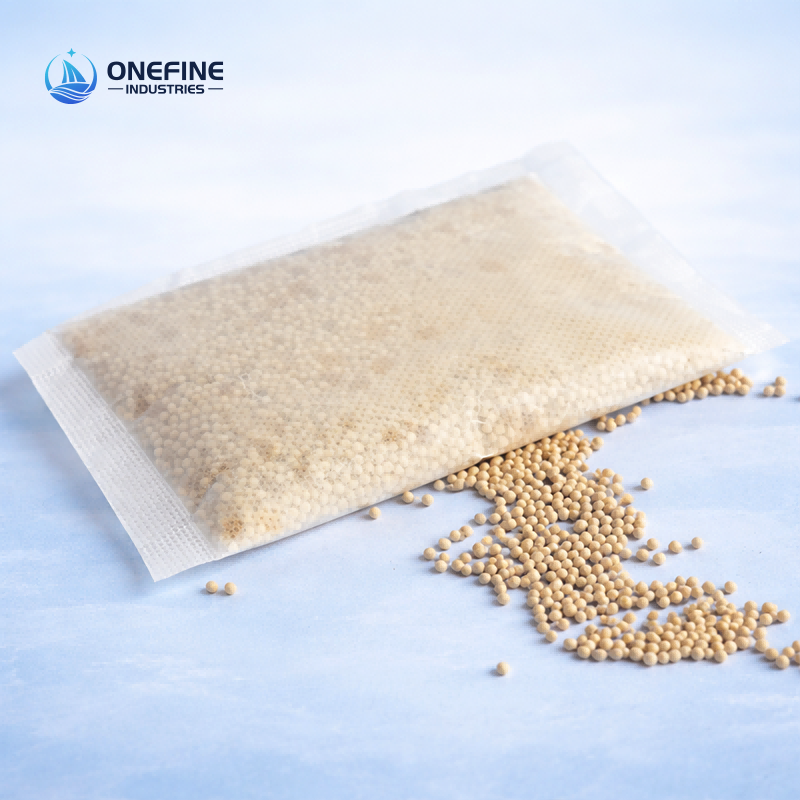
Molecular Sieve Desiccant Bags
Molecular sieve desiccant bags feature a microporous structure that selectively adsorbs molecules based on pore size, delivering deep drying performance for gases and liquids.
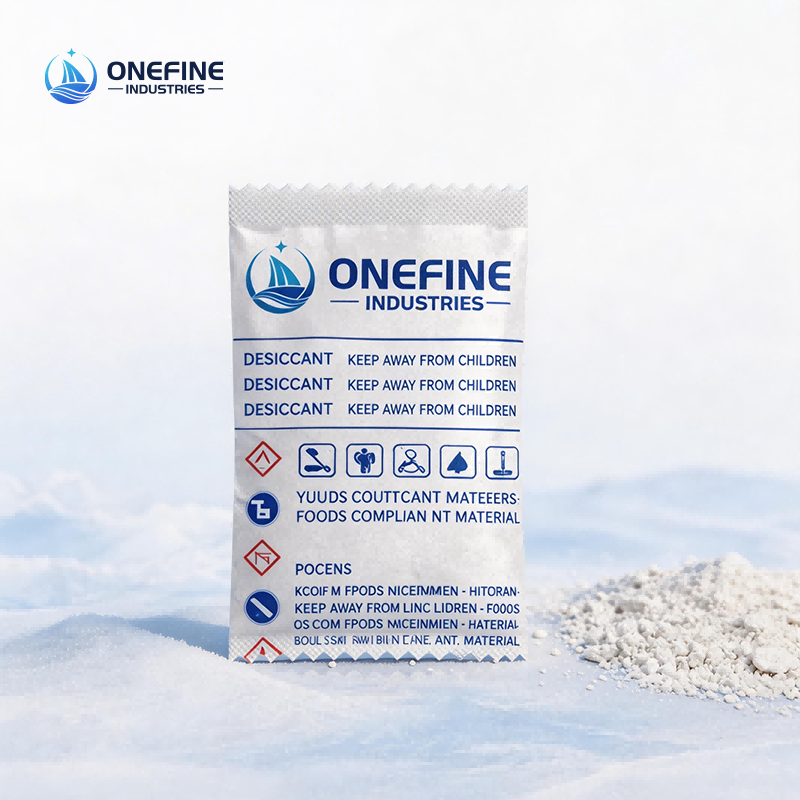
Calcium Chloride Desiccant Packets
Calcium chloride desiccant packets are a highly effective moisture-absorbing solution designed to prevent "container rain" and condensation damage during shipping and storage.
Related Reading

Why Temperature Changes Which Desiccant Works Best
A desiccant that works great in a cool, humid warehouse can underperform in a hot one, and vice versa. The reason is not vague — it comes down to how strongly each material actually binds water, measured as heat of adsorption.

Silica Gel Sachet Damage and Dust: A Receiving Inspection Guide
A practical receiving guide for silica gel sachets: inspect seams, loose particles and protective packaging, then document defects against agreed purchase requirements.
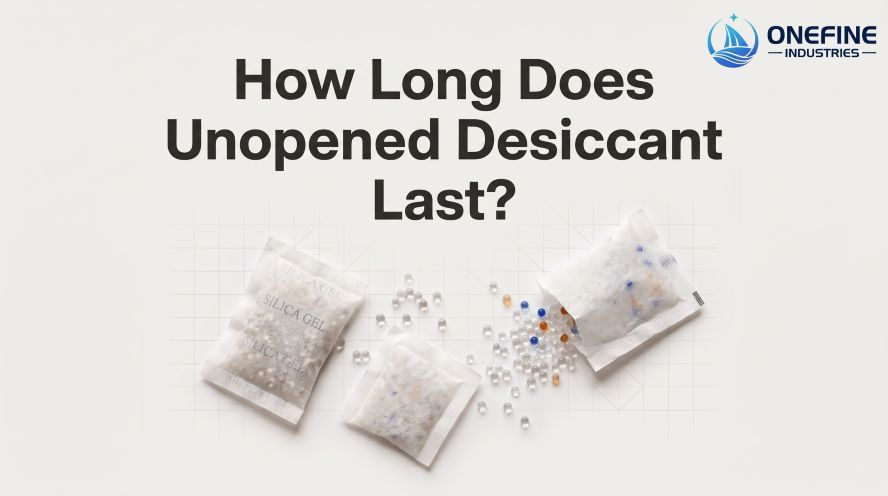
How Long Does Unopened Desiccant Actually Last Before You Use It?
Desiccant doesn't sit on a shelf forever without a cost — but the number that matters depends on whether you mean "sealed in storage" or "already opened." Those are two very different clocks, and mixing them up is an easy way to waste capacity before a packet ever does its job.