How to Check the Net Fill Weight of a Desiccant Sachet
Key Takeaways
- A filled sachet’s scale reading includes both the desiccant and its wrapper. Check which weight the purchase specification defines.
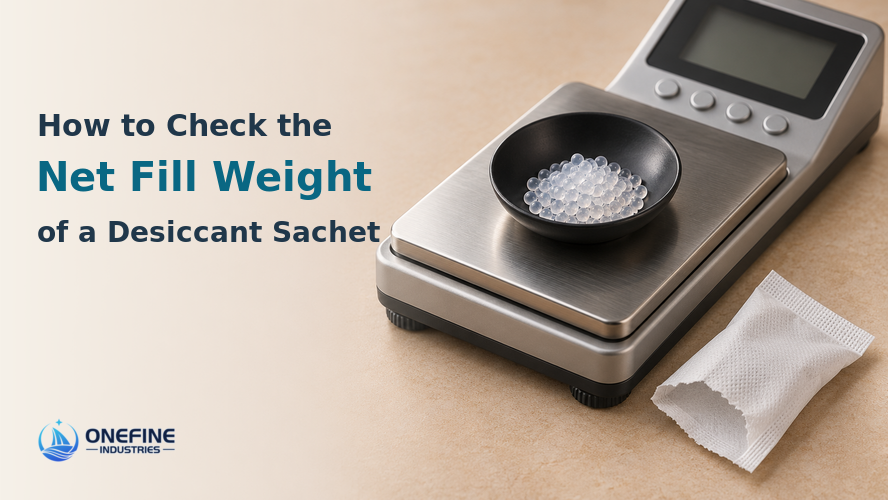
- For a destructive fill check, weigh the complete sachet and subtract the mass of its emptied wrapper, including any pieces removed during opening.
- Record the average and the lowest measured fill against agreed acceptance criteria. Evaluate moisture-control performance separately in the finished package.
Introduction
A buyer orders 2 g silica gel sachets and weighs unopened samples at receiving. One reads 2.32 g. That result is believable for a 2 g fill, but the reading includes the wrapper. The measured number could also change if the wrapper construction changes, even when the filling process remains the same. A reliable receiving check starts with the purchase specification and a clear way to separate fill from packaging. This guide explains how to measure the as-received contents and what else to check when fill weight matters to a moisture-sensitive pack.
Key Differences at a Glance
Gross sachet weight
- Everything that goes on the balance when the sachet is intact, including its wrapper and contents.
- Useful for screening variation among sachets of the same construction.
Net fill weight
- The mass of the desiccant inside the wrapper as measured under the agreed conditions.
- Useful when the purchase order sets a nominal fill and an allowable deviation.
Moisture uptake performance
- The water the desiccant can take up under specified conditions or the protection it delivers in a finished pack.
- Requires an agreed performance test. Use the desiccant sizing guide to frame that part of the evaluation.
How to Choose a Weighing Check
Use gross weighing for a quick screen when the wrapper is consistent. Compare sachets from the same construction and record unusually light or heavy results for closer inspection. A change in wrapper material, print, or dimensions can shift the gross weights, so establish a separate baseline for a changed construction.
Use an agreed net fill check when you need to verify the amount of material in the packet. Before opening samples, record the lot, nominal size and wrapper type. Use a checked balance with resolution suitable for the agreed tolerance. If different methods could produce materially different results, agree with the supplier which method controls acceptance.
Measure the Contents of the Same Sample
First, weigh the intact sample. Open the sachet carefully over a clean tray. Retain the entire wrapper, including any trimmed edge. Empty the wrapper and verify that beads and fines have been removed before weighing it. Follow the agreed procedure for any contents that stick to the wrapper. Limit exposure to room air and perform the checks consistently, since the material can take up moisture after opening.
Net fill = intact sachet mass − empty wrapper mass.
For an illustrative 2 g sachet, an intact mass of 2.32 g and an emptied wrapper mass of 0.30 g give a net fill of 2.02 g. That result shows how the measurement works. Lot acceptance depends on the agreed sampling plan and tolerance. If a purchase specification defines fill on a dry-mass basis, use its prescribed conditioning or moisture determination. A routine receiving check measures the fill as received.
Keep the Lot Decision and the Packaging Trial Separate
Take samples across the lot according to an agreed plan instead of relying on the easiest carton to reach. Report individual results alongside the mean so an isolated low fill remains visible. If several results cluster below your acceptance limit, confirm the construction and method before raising it with the supplier. Also inspect for open seams and loose particles, which are meaningful even when the remaining fill passes your weight check.
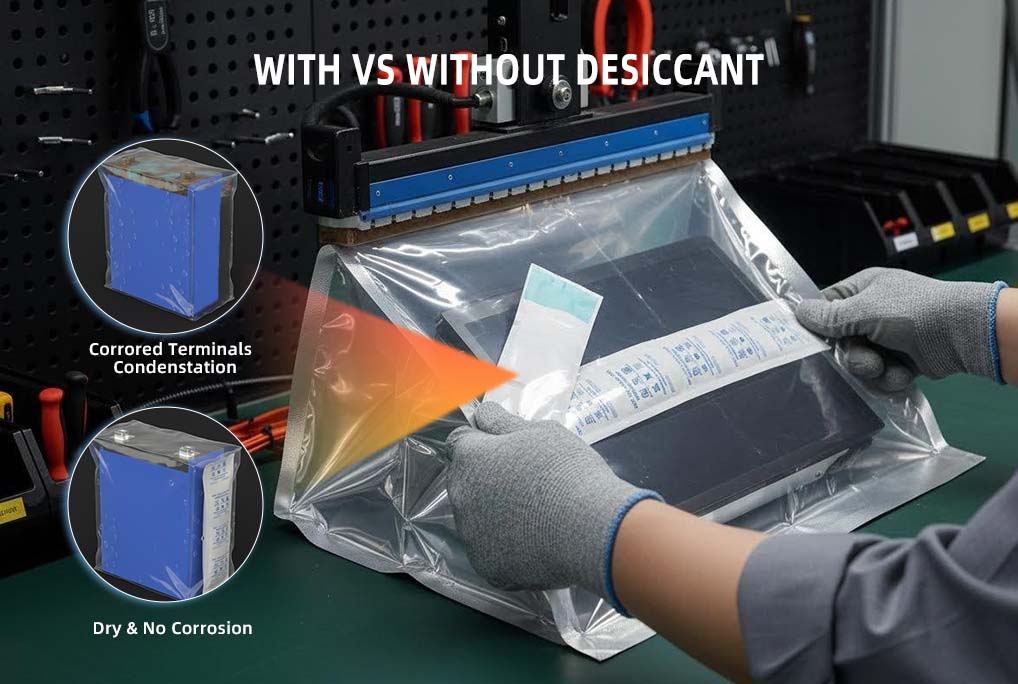
Finally, confirm what the sachet does in the package. Two types of desiccant with the same fill mass can behave differently at the same humidity. If the selected sachet meets its fill specification but the product remains humid, use the sealed box troubleshooting guide to review the enclosure and initial moisture load. In electronics moisture protection, for example, the sachet works as part of an assembly with its barrier bag and seal. Choose the right packet location before judging its performance.
Recommended Products from Onefine
- Silica gel sachets for general-purpose sealed-package moisture control.
- Molecular sieve bags for evaluation when the inside of the pack needs to stay at a lower relative humidity.
Need Sachets Specified by Fill Weight?
Share the target fill, sachet dimensions, wrapper material and the moisture target inside the finished pack. Include your receiving criteria if a fill tolerance is important to the order.
- Small sachet formats for trial and production orders
- Silica gel and molecular sieve options for finished-package comparison
- Help confirming the requested weight and wrapper construction before a trial order
Related Products
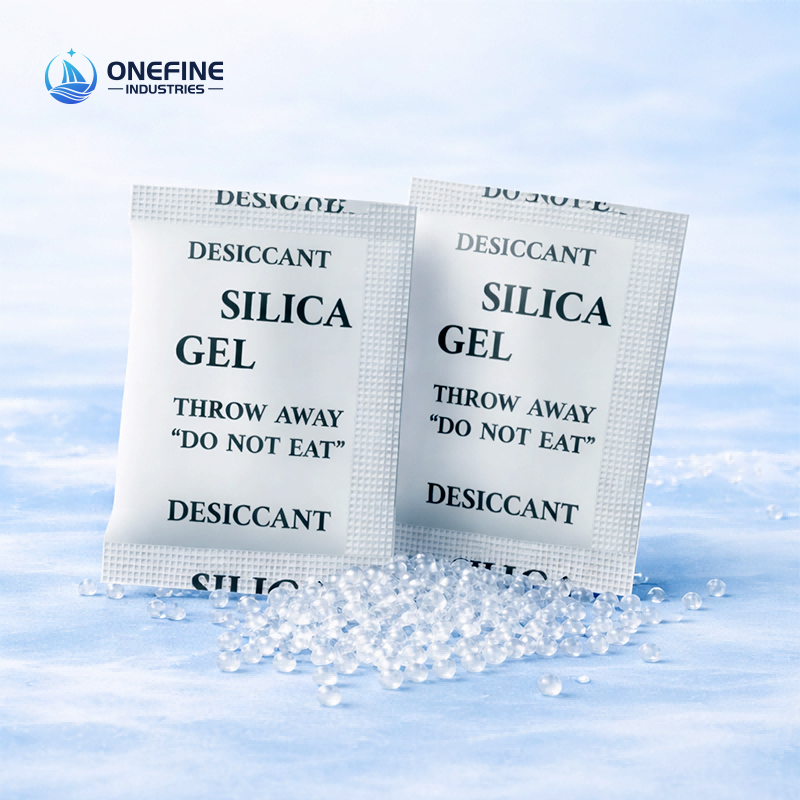
Silica Gel Desiccant Sachet
Silica gel desiccant is a high-performance, non-toxic adsorption material widely used to protect moisture-sensitive products from damage.
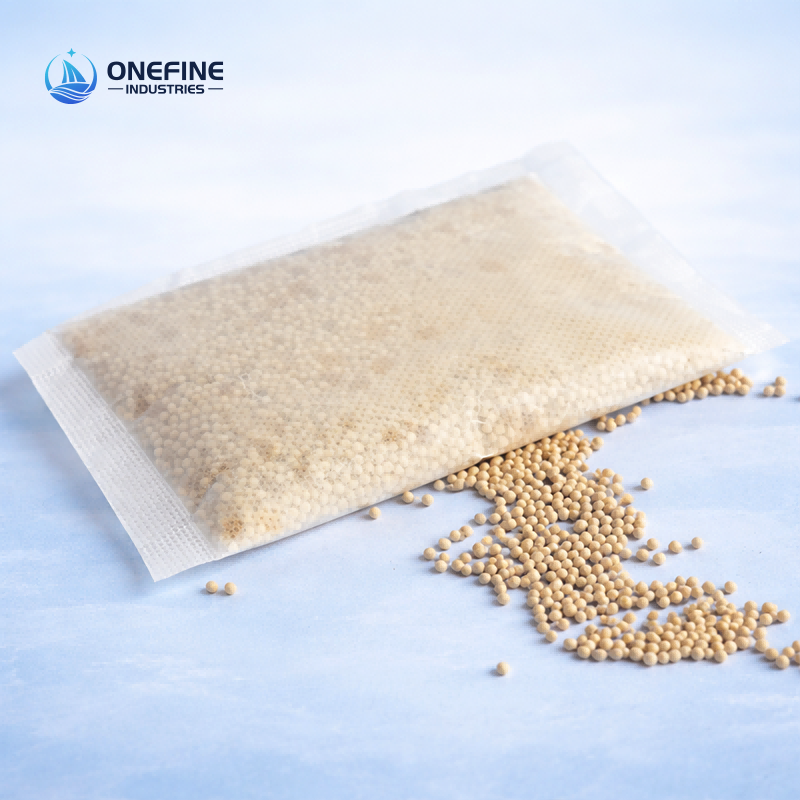
Molecular Sieve Desiccant Bags
Molecular sieve desiccant bags feature a microporous structure that selectively adsorbs molecules based on pore size, delivering deep drying performance for gases and liquids.
Related Applications
Related Reading

How Much Desiccant Do You Actually Need?
Desiccant packaging follows a real industry standard (MIL-D-3464), not guesswork. Here's how the unit-based formula actually works, a worked example, and what the simplified version leaves out.

Why Is Humidity Still High with Desiccant in a Sealed Box?
Troubleshoot high humidity in a storage box: check the meter, closure, damp contents and packet condition before changing your desiccant setup.

Where Should a Desiccant Packet Go: Inside the Bag or in the Outer Carton?
Place desiccant inside the enclosure that needs to stay dry. Learn where sachets belong in sealed unit bags, shared carton liners, and nested packaging.