Heat-Seal Leaks in Desiccant Packaging: How to Check a Retail Pouch
Key Takeaways
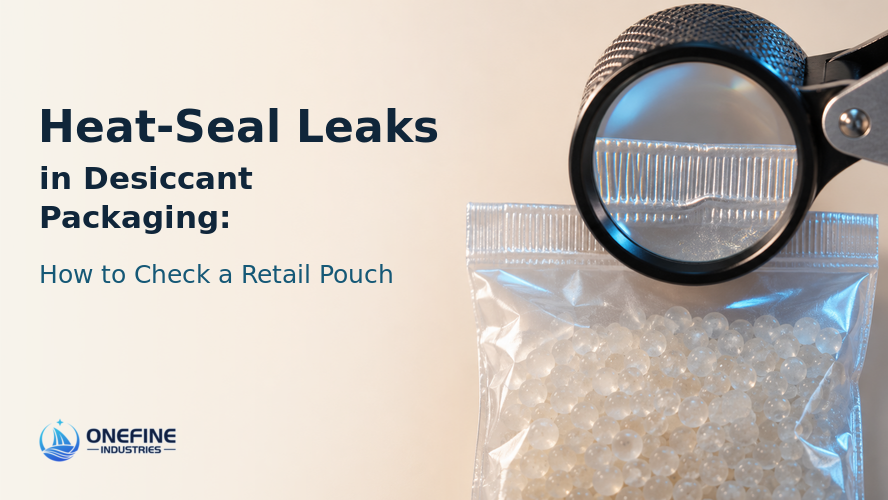
- A retail pouch can admit moisture through a narrow channel across the heat seal even when most of the seal is strong.
- Visual inspection, peel strength and leak testing answer different questions. Choose a method approved for the pouch material and the defect you need to detect.
- Compare the humidity trend in finished packs after verifying seal integrity. That gives you a better basis for deciding whether the barrier film or sachet needs to change.
Introduction
A buyer approves a silica gel sachet after a trial, but some pouches from the next production lot become humid in storage. The sachet size and film specification are unchanged. Before increasing packet weight, look at how the pouch was closed. A tilted product, folded edge or particle trapped across the seal can create a path for humid air even when the package looks intact from a distance. This guide covers the heat seal on the outer retail pouch that encloses the product and sachet. If you are deciding which layer should contain the sachet, start with the packet placement guide.
Key Differences at a Glance
Leak channel through the seal
- What it is: a continuous path across the seal. A wrinkle or trapped material may create one.
- What to check: the full seal width, especially where folds intersect the sealing jaw, followed by a suitable leak test.
Weak seal
- What it is: insufficient bond strength, which can let a seal open during handling or storage.
- What to check: peel force and failure mode at representative locations. A specimen may pull apart at the interface or the film itself may tear.
Water vapor transmission through intact film
- What it is: moisture moving through the barrier material over time.
- What to check: film water vapor transmission data at stated conditions and the behavior of the assembled pouch over the intended shelf life.
These findings can coexist. A peel specimen can pass even if a channel exists elsewhere on the pouch, and an intact heat seal can still surround a film that admits too much vapor for the intended storage period.
Follow the Defect Back to the Packing Line
Keep a few affected pouches alongside good examples from the same run. Record the film and product lots, line or jaw position, time of production and seal settings. Examine the full closure under appropriate lighting. Pay close attention to side-seam crossings, gussets and corners where a pouch can become thicker or fold over. Look for product fragments, dust, labels or a sachet edge in the seal area. Flag a visible defect for investigation and retain the sample if it needs a confirmatory test.
If the same defect appears in the same location, check what the corresponding jaw or guide is doing. If it occurs mainly after a film change or restart, compare those records with checks from steady production. Temperature, dwell time and pressure work together and depend on the sealant layer and equipment. Use the validated settings for the construction in use. An arbitrary increase in jaw temperature may distort the film and make the failure harder to interpret.
How to Choose the Check
Use visual inspection to screen. It is useful for visible folds, trapped material and obvious discontinuities. Its ability to reveal defects depends on the film and viewing conditions. Opaque laminates and very narrow channels can hide a path.
Use a peel test for mechanical strength. A method such as ASTM F88/F88M measures the force to separate a test strip and supports comparisons when specimen preparation and test technique are consistent. Sample the locations most likely to differ. Your packaging specification should establish acceptable values for the actual construction and handling needs.
Use a leak test for a suspected path. ASTM F3039 Method A is a dye-penetration method for edge seals of nonporous packages. Have the quality team confirm the method’s applicability and detection limits for the material and select an appropriate alternative where needed. Tested samples should be kept out of saleable stock. A seal leak result and a film transmission figure describe different moisture entry mechanisms.
Check humidity after you have a repeatable seal. Compare finished packs using the same fill, film lot, sachet and storage conditions. Measure humidity inside the protected pouch and record the exposure duration. If seal checks pass but humidity still rises, investigate initial moisture in the contents, film transmission and usable sachet capacity. The sealed box troubleshooting guide covers these other sources. For the next trial, use the desiccant sizing guide to frame your capacity inquiry.
Recommended Products from Onefine
- Silica gel sachets for routine moisture-control trials in sealed retail packaging.
- Molecular sieve bags to evaluate for packaged goods with a lower humidity target. Confirm the format and fit on the packing line.
Need a Sachet That Fits Your Sealed Pouch?
Send your finished pouch dimensions, film construction, target humidity, planned storage duration and the space available inside the pack.
- Small sachet formats to trial with your current pouch and placement tooling
- Silica gel and molecular sieve options to compare for your target humidity
- Help selecting samples for a finished-pack trial with sachets clear of the seal area
Related Products
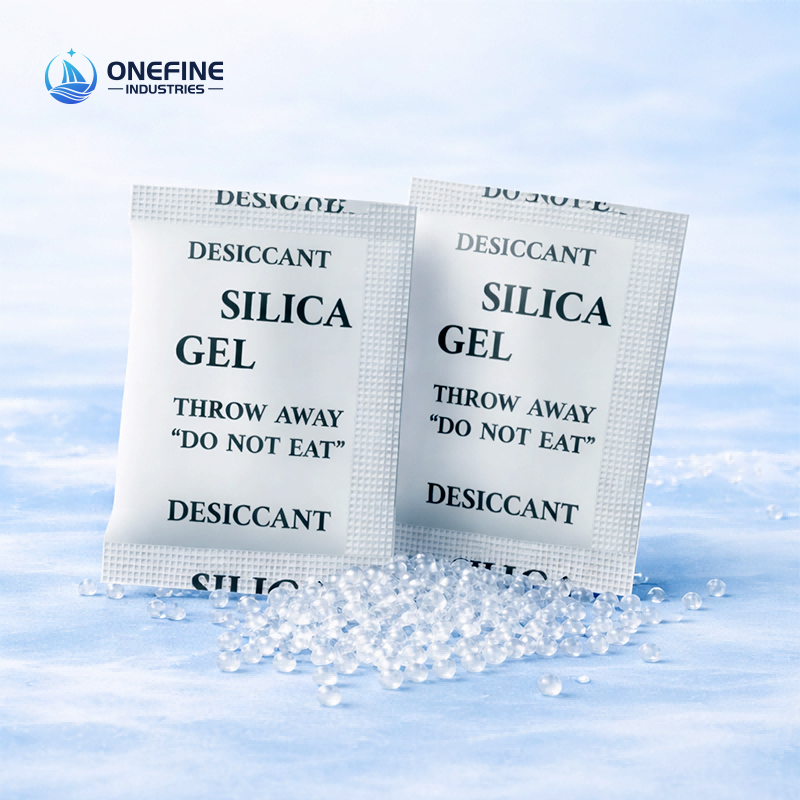
Silica Gel Desiccant Sachet
Silica gel desiccant is a high-performance, non-toxic adsorption material widely used to protect moisture-sensitive products from damage.
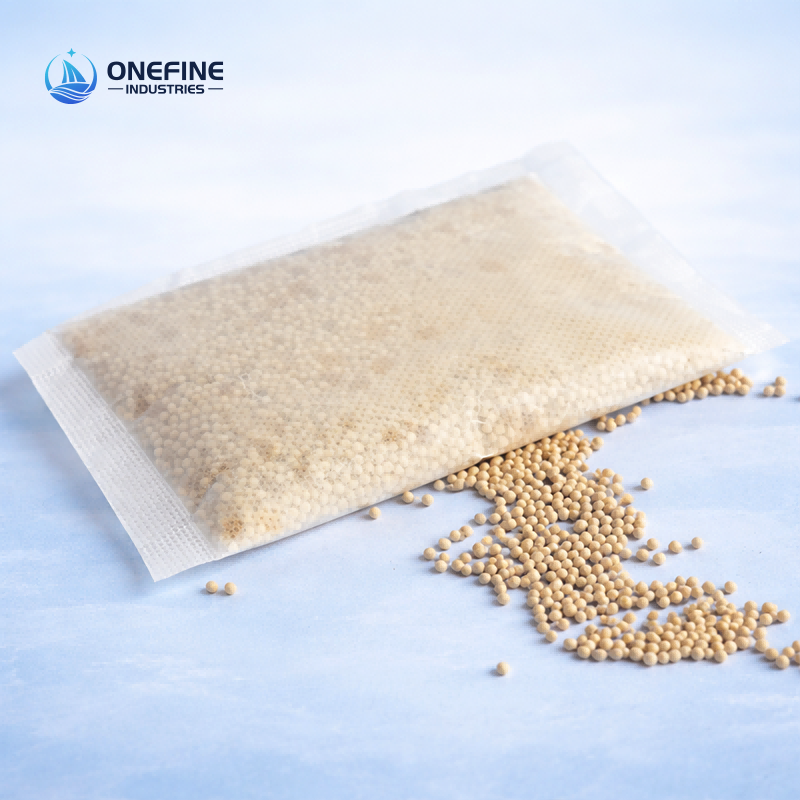
Molecular Sieve Desiccant Bags
Molecular sieve desiccant bags feature a microporous structure that selectively adsorbs molecules based on pore size, delivering deep drying performance for gases and liquids.
Related Applications
Related Reading

Where Should a Desiccant Packet Go: Inside the Bag or in the Outer Carton?
Place desiccant inside the enclosure that needs to stay dry. Learn where sachets belong in sealed unit bags, shared carton liners, and nested packaging.
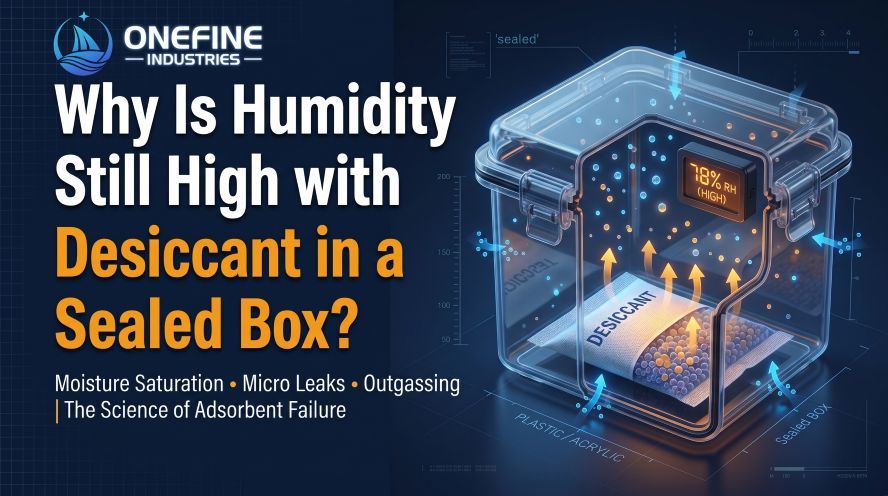
Why Is Humidity Still High with Desiccant in a Sealed Box?
Troubleshoot high humidity in a storage box: check the meter, closure, damp contents and packet condition before changing your desiccant setup.

How Much Desiccant Do You Actually Need?
Desiccant packaging follows a real industry standard (MIL-D-3464), not guesswork. Here's how the unit-based formula actually works, a worked example, and what the simplified version leaves out.

How to Check Whether a Desiccant Sachet Fits Your Package
Check the width, thickness and placement of a filled desiccant sachet before approval, especially where it has to clear a tray, closure or heat-seal area.