Comparisons & Selection
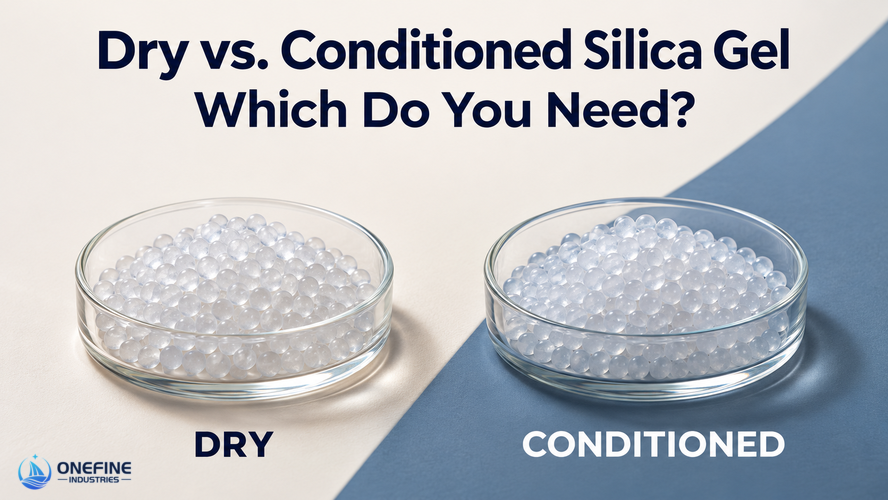
Dry vs. Conditioned Silica Gel: Which Do You Need?
Choose between dry silica gel for moisture removal and conditioned silica gel for buffering humidity around a target range.
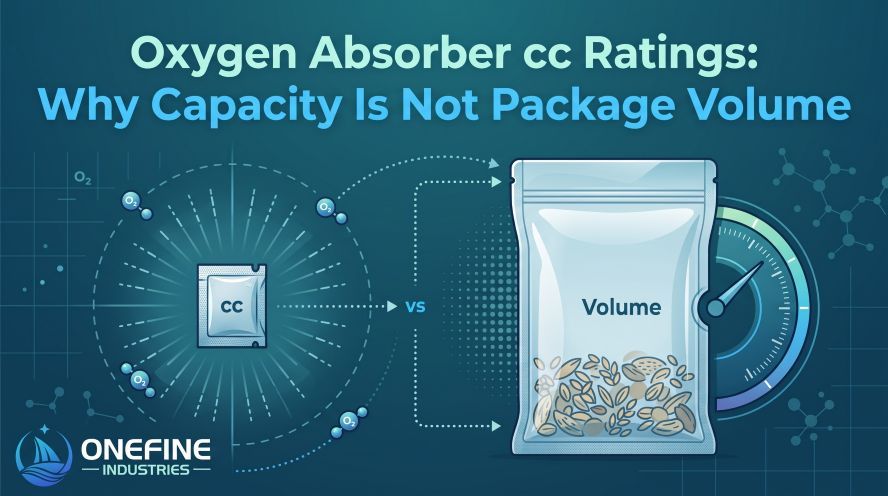
Oxygen Absorber cc Ratings: Why Capacity Is Not Package Volume
A 100 cc oxygen absorber is rated for oxygen, not a 100 cc container. Learn how gas volume, residual oxygen and packaging conditions affect a sizing inquiry.
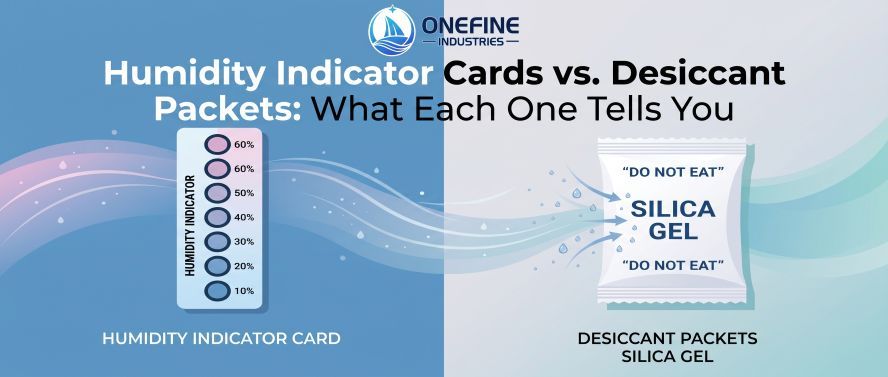
Humidity Indicator Cards vs. Desiccant Packets: What Each One Tells You
A humidity indicator card shows a humidity condition, while a desiccant packet removes water vapor. Learn why a color change cannot measure remaining packet capacity.
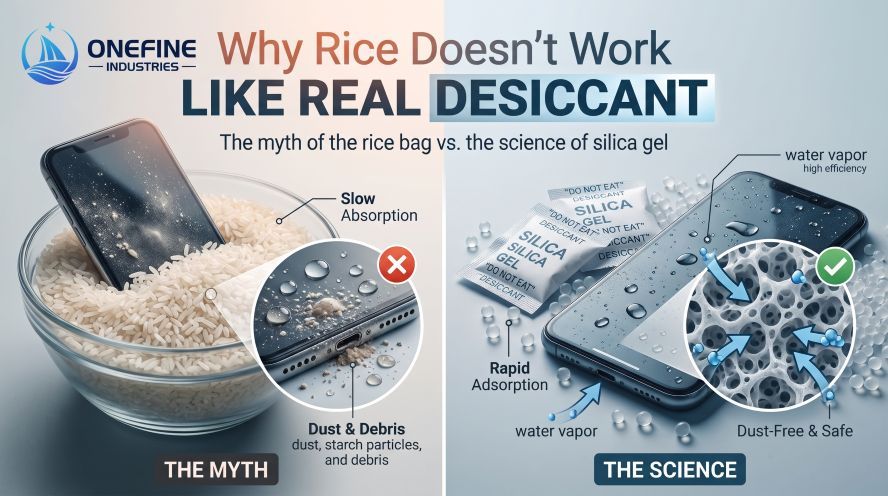
Why Rice Doesn't Work Like Real Desiccant
Putting a wet phone in a bowl of rice is common advice, but it's not backed by how the two materials actually perform. Here's what the tests actually found, and why the gap between rice and real desiccant is a matter of basic structure, not just degree.
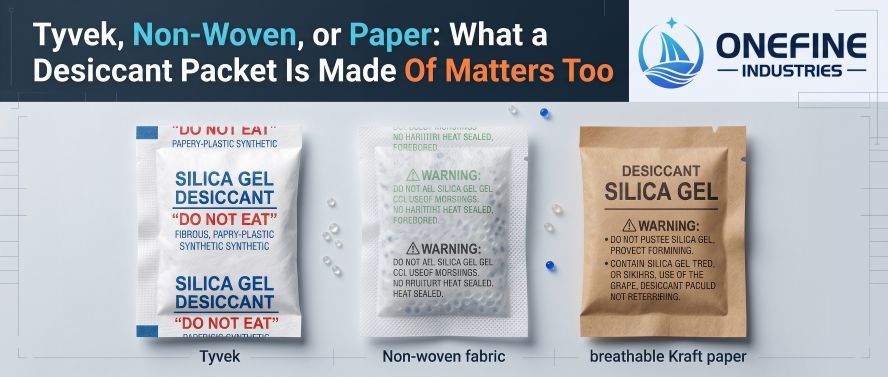
Tyvek, Non-Woven, or Paper: What a Desiccant Packet Is Made Of Matters Too
A desiccant packet's outer material isn't just packaging — it decides whether moisture vapor can get in and whether desiccant dust can get out. Here's how paper, non-woven fabric, and Tyvek actually compare on that trade-off.
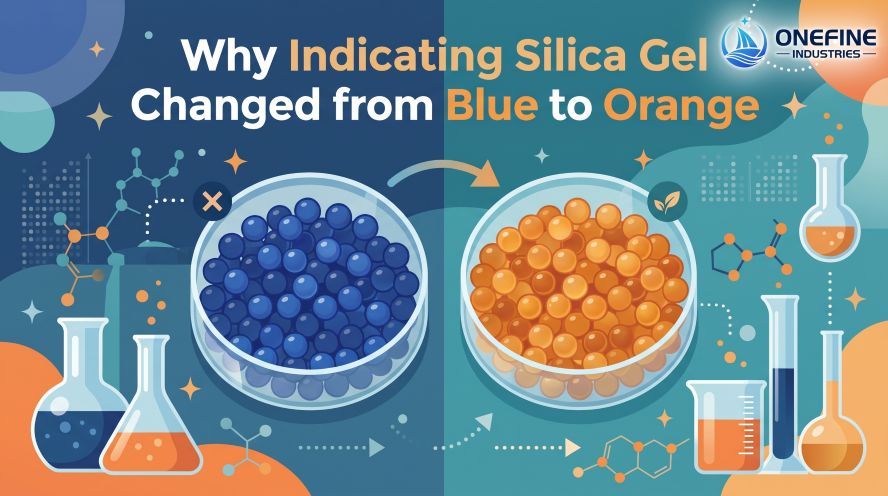
Why Indicating Silica Gel Changed from Blue to Orange
Indicating silica gel used to mean one thing: cobalt chloride, and a color shift from blue to pink. Most of what's sold today works differently — here's the chemistry behind the color change, and why the underlying compound changed.
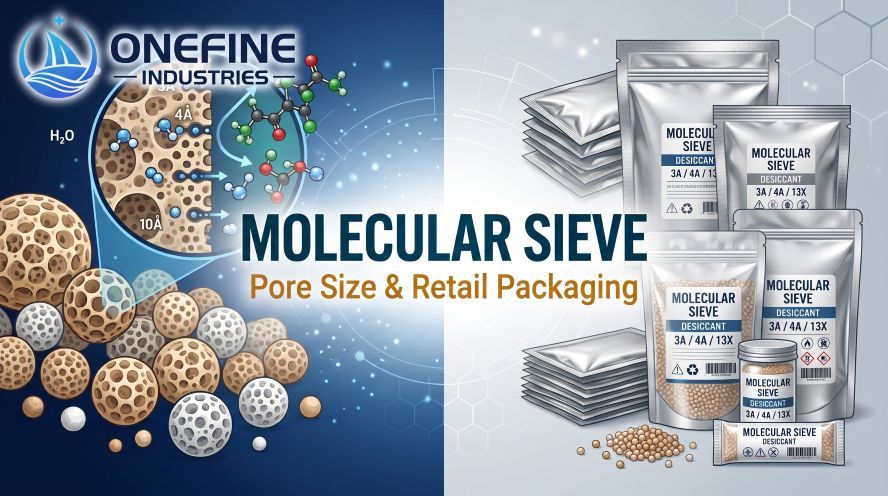
Molecular Sieve Pore Size and Retail Packaging
Molecular sieve is a family of pore structures, not one material. Here is why general-purpose retail packaging desiccant is built around a broad pore size rather than the narrower, application-specific types used elsewhere in the chemical industry.
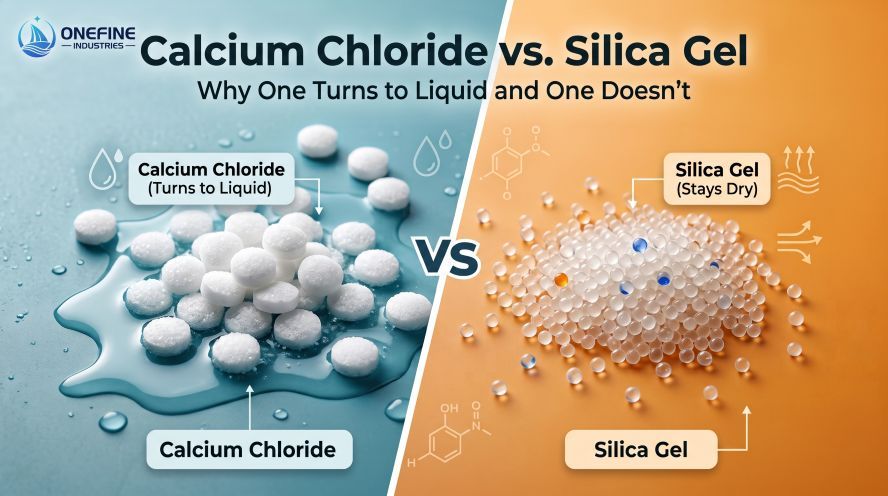
Calcium Chloride vs. Silica Gel: Why One Turns to Liquid and One Doesn't
Calcium chloride and silica gel are often treated as interchangeable desiccants, but one is deliquescent and one is not. Here is the humidity threshold that explains the difference, and what it means for your packaging.
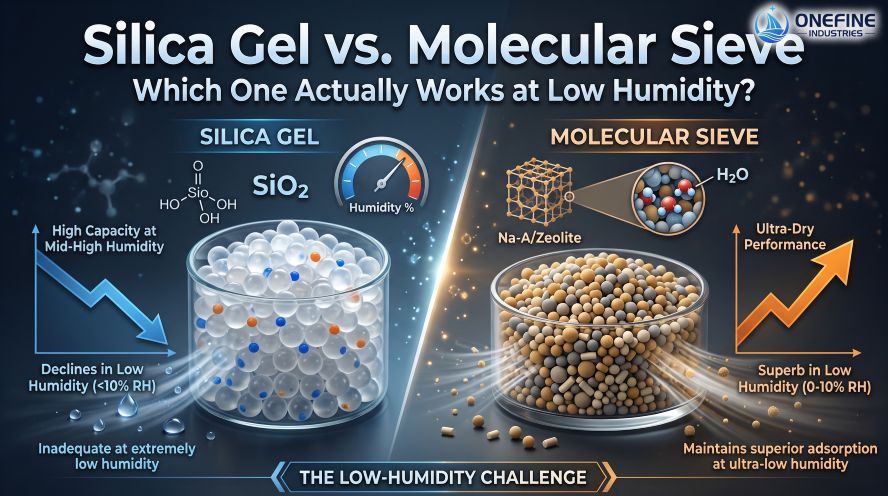
Silica Gel vs. Molecular Sieve: Which One Actually Works at Low Humidity?
Silica gel and molecular sieve are both common desiccants, but they work through different mechanisms, and that difference matters most at low relative humidity. Here's what actually happens at the molecular level, and when each one is the right choice.