Industry Applications
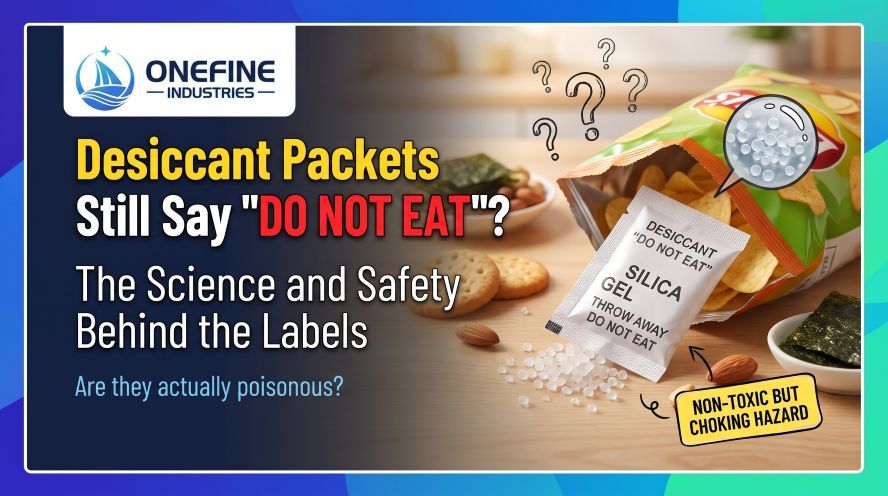
Why Food-Safe Desiccant Packets Still Say "Do Not Eat"
Silica gel is FDA-approved as a food additive at up to 2% by weight. So why do packets still warn against eating it? It is about packaging, not poison.
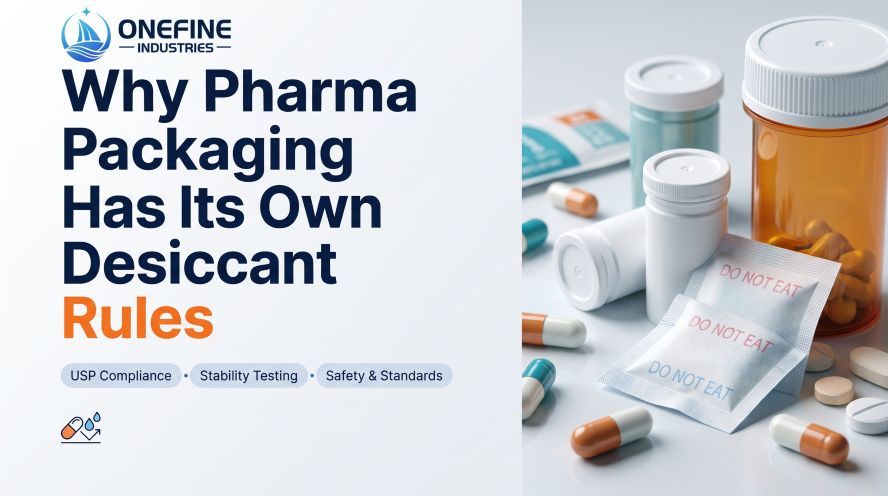
Why Pharma Packaging Has Its Own Desiccant Rules
Pharmaceutical bottles and blister packs follow a numeric moisture-permeation standard most other packaging never has to meet. Here is how it works.
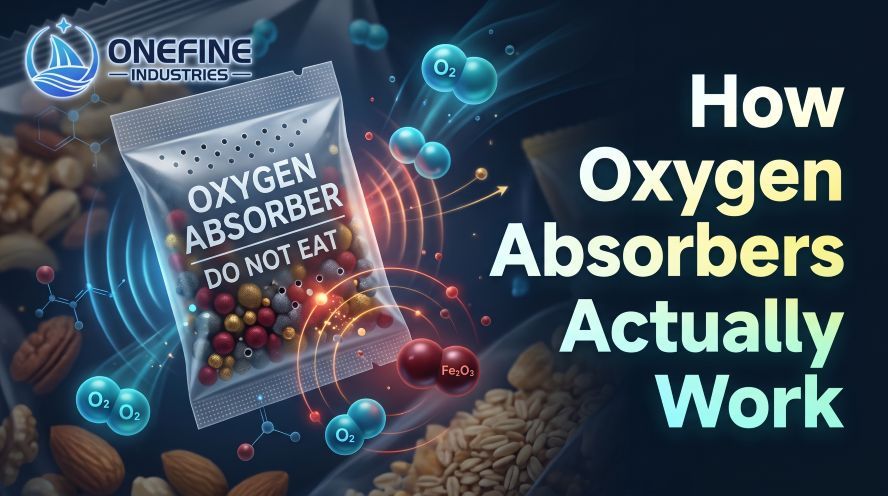
How Oxygen Absorbers Actually Work
An oxygen absorber sachet is not a desiccant in disguise. It works through an actual iron oxidation reaction that consumes oxygen as it runs, and that reaction needs a bit of moisture to proceed. Here is the real chemistry behind it.

Moisture Risk in Battery Storage Enclosures: It's Not the Cells, It's the Box Around Them
Lithium battery cells are hermetically sealed, so it's easy to assume moisture isn't a storage concern. But the enclosure around those cells isn't sealed the same way — and that's where real moisture damage happens. Here's the actual mechanism, and what a desiccant inside the enclosure does and doesn't protect against.
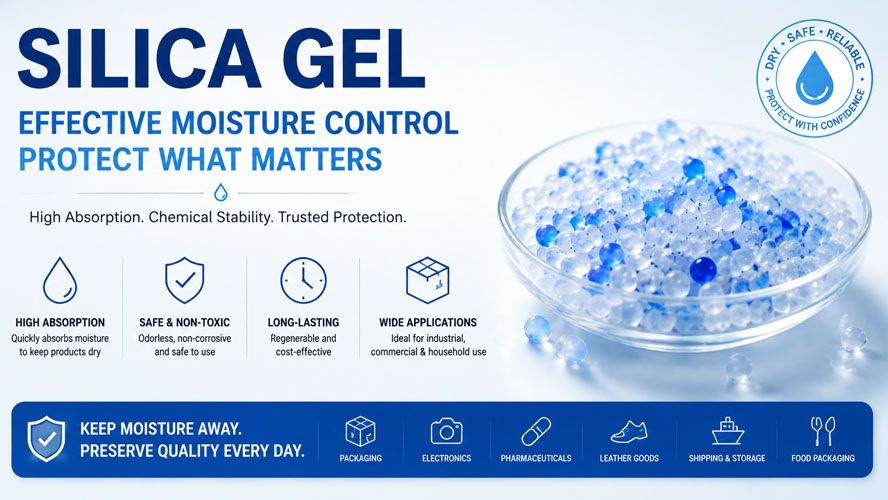
Silica Gel Desiccant: Applications and Industry Insights
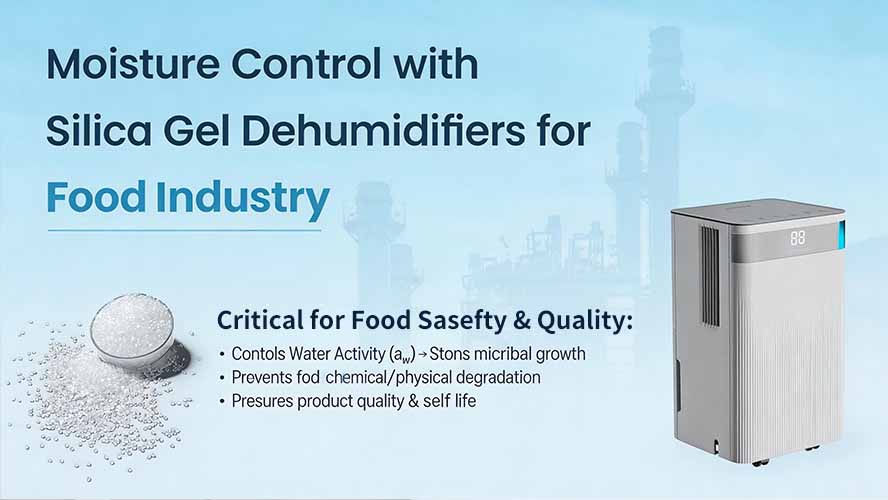
Silica Gel Dehumidifier Moisture in Food Industry for Moisture Control
This article explores the critical function of drying agents in moisture control, detailing their mechanisms, types like silica gel and calcium chloride, and strategic applications for preserving industrial and consumer products.